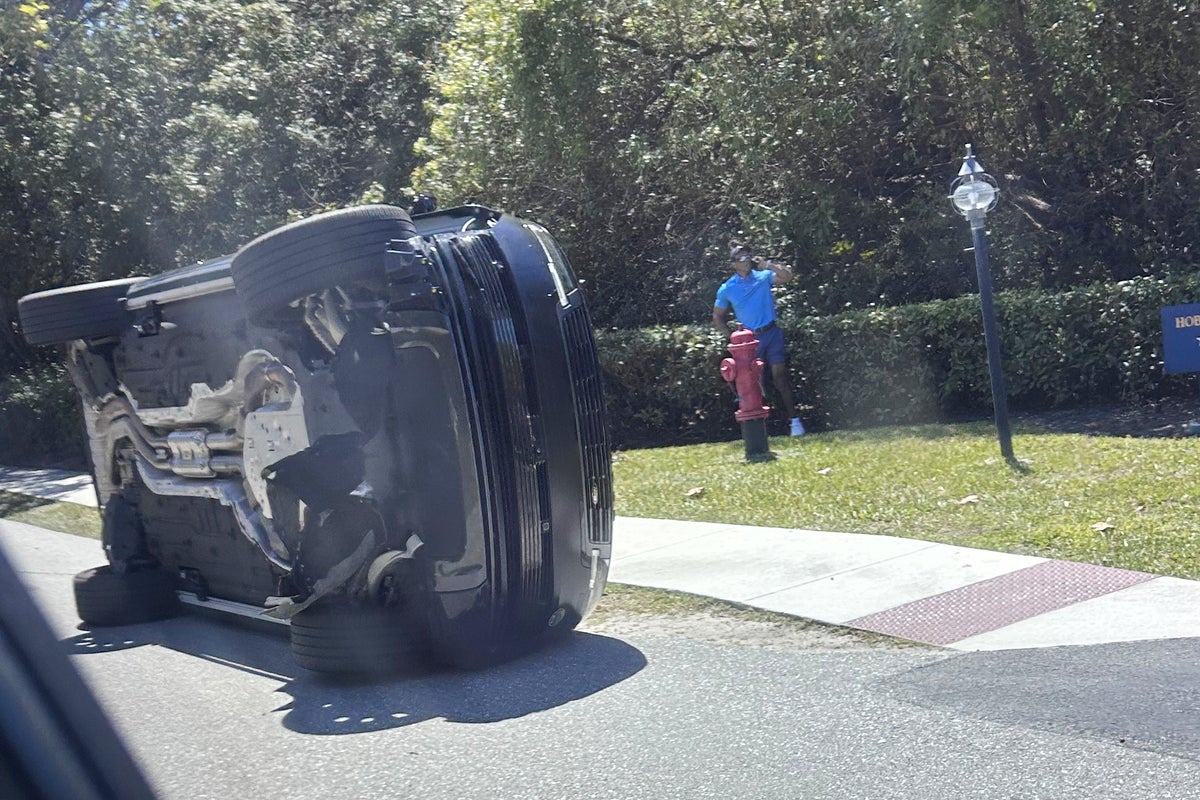
Tiger Woods was arrested on Friday afternoon in Jupiter Island, Florida, on suspicion of driving under the influence after a high-speed rollover crash that left his Land Rover on its side. Around 2 p.m., the 50-year-old golf icon allegedly attempted to overtake a pressure-cleaning truck on a narrow two-lane road, clipping the vehicle's trailer and losing control. While Woods emerged from the wreckage uninjured, the incident has reignited a harrowing conversation about his long-term health and a recurring pattern of vehicle-related crises. This is not merely a story of a traffic violation; it is a glimpse into the ongoing struggle of a man whose body has been a battlefield for decades.
Martin County Sheriff John Budensiek confirmed that while Woods passed a breathalyzer test at the scene, he exhibited clear signs of impairment that led deputies to believe he was under the influence of medication or a controlled substance. Woods reportedly refused a urine test, a move that triggered an automatic charge of refusal to submit to a lawful test under Florida law, alongside charges of DUI and property damage. For a man who has undergone at least seven back surgeries and nearly lost a leg in a 2021 wreck, the "why" behind this latest incident likely sits in a pharmacy bottle rather than a liquor cabinet.
The Physics of a Relapse
The mechanics of the crash suggest a level of cognitive disconnect that transcends simple driver error. Witnesses and investigators describe a scenario where Woods was traveling at a high rate of speed in a 30 mph zone, attempting a risky passing maneuver on a residential road. The Land Rover swerved, clipped the back of a trailer, and rolled onto the driver’s side. Woods was forced to crawl out of the passenger side.
Sheriff Budensiek noted that Woods was "cooperative but not trying to incriminate himself." This guarded behavior is the hallmark of someone who has been through this legal ringer before. In 2017, police found him asleep behind the wheel of a running Mercedes-Benz, miles from where he thought he was. That time, he had five different substances in his system, including Vicodin, Xanax, and Ambien. He wasn't drinking then, and he wasn't drinking now. He is, however, a man who has spent the last two years attempting yet another "miracle" comeback following a 2024 ruptured Achilles and a seventh back procedure.
The brutal reality is that professional golf at the elite level requires a physical stability that Woods’ spine can no longer provide without chemical intervention. When the nerves are screaming, the line between "therapeutic use" and "incapacitation" becomes dangerously thin.
The Jupiter Island Pattern
This latest arrest marks the fourth major vehicle incident for Woods, creating a timeline that mirrors the peaks and valleys of his medical history.
| Year | Location | Primary Cause | Physical Context |
|---|---|---|---|
| 2009 | Windermere, FL | Hit hydrant/tree | Escalating back pain; Ambien use |
| 2017 | Jupiter, FL | Asleep at wheel | Post-fourth back surgery; 5-drug cocktail |
| 2021 | Los Angeles, CA | Excessive speed | Recovery from leg/back issues |
| 2026 | Jupiter Island, FL | Rollover/Impairment | Post-seventh back surgery; Achilles rupture |
The 2021 Los Angeles crash was the most violent, nearly resulting in the amputation of his right leg. In the years since, Woods has played a skeletal schedule, often walking with a pronounced limp and withdrawing from tournaments when the "grind" became too much for his fused joints. His recent partnership with Vanessa Trump has kept him in the social spotlight, but his performance on the course has been a shadow of his former self. He has played 11 tournaments since the 2021 accident and hasn't finished within 16 shots of a winner.
The Legal and Professional Fallout
Because Woods refused the urine test, the prosecution lacks the "smoking gun" of a toxicology report, but Florida’s implied consent laws mean his driver’s license will be suspended regardless of the criminal trial outcome. He was held in jail for the mandatory eight-hour cooling-off period before being eligible for bail.
The timing is particularly catastrophic for his career. Woods was slated to appear in Augusta in less than two weeks to unveil a new golf course project and decide if he was fit to play in the Masters. That decision has now been made for him by the Martin County Sheriff’s Office. Even if he were physically capable of swinging a club, the optics of a DUI defendant walking the fairways of Augusta National are a non-starter for the green-jacketed elite who run the tournament.
Critics will point to his refusal of the urine test as an admission of guilt. Supporters will argue it is a legal right exercised by a man who knows his medical history will be weaponized against him. Both can be true. When you have a history of "unexpected reactions" to prescription cocktails, giving the state a list of everything in your bloodstream is rarely a winning strategy.
A Legacy in Hedges
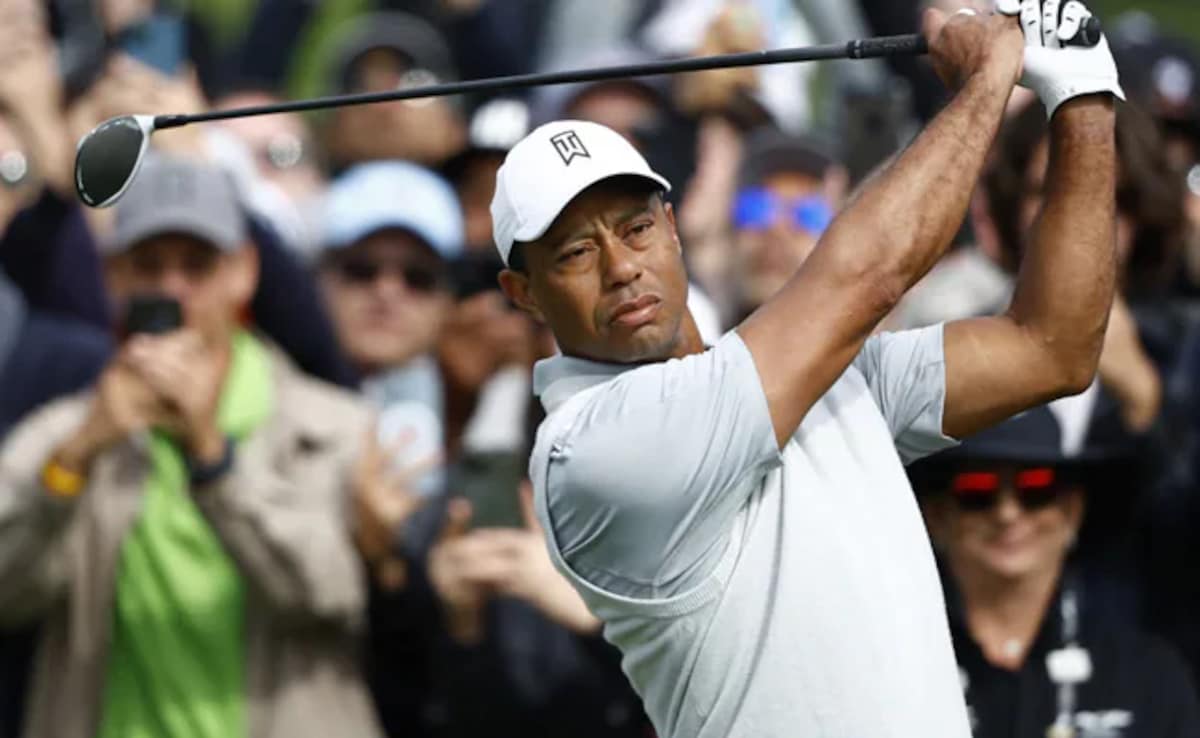
We often want to view Tiger Woods as the ultimate comeback story—the man who beat the odds to win the 2019 Masters. But the comeback narrative ignores the cost of the journey. To play golf at 50 with a fused back and a reconstructed leg requires a level of pain management that most people cannot comprehend.
This isn't just about a car flipping over on a Friday afternoon. It is about the inevitable collision between a legendary will and a failing anatomy. The road on Jupiter Island was narrow, the speed was high, and the result was a familiar wreckage.
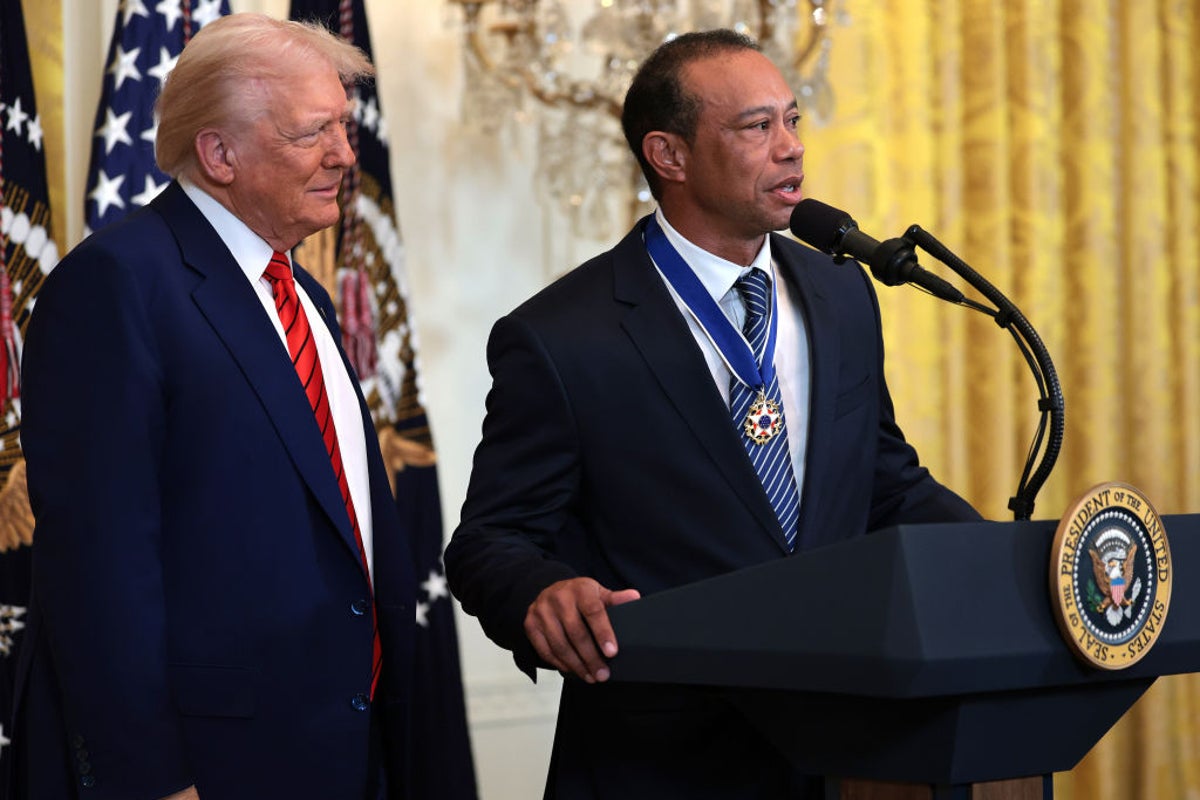
Woods remains a "very close friend" to the former President and a titan of the sport, but as he sits in a jail cell separated from the general population for his own safety, the "difficulty" mentioned by his inner circle looks less like a temporary setback and more like a permanent condition. The tragedy isn't that he crashed; it's that he continues to believe he can drive through the pain.
The investigation into the specific substances involved will likely stall due to the refused test, leaving the public to speculate on which specific pill or patch led to the swerve. But for those who have followed the arc of his career, the specific drug matters less than the reason it was taken.
Tiger Woods has spent his life trying to outrun his own shadow and outplay his own nerves. On a sunny afternoon in Florida, the road finally ran out.