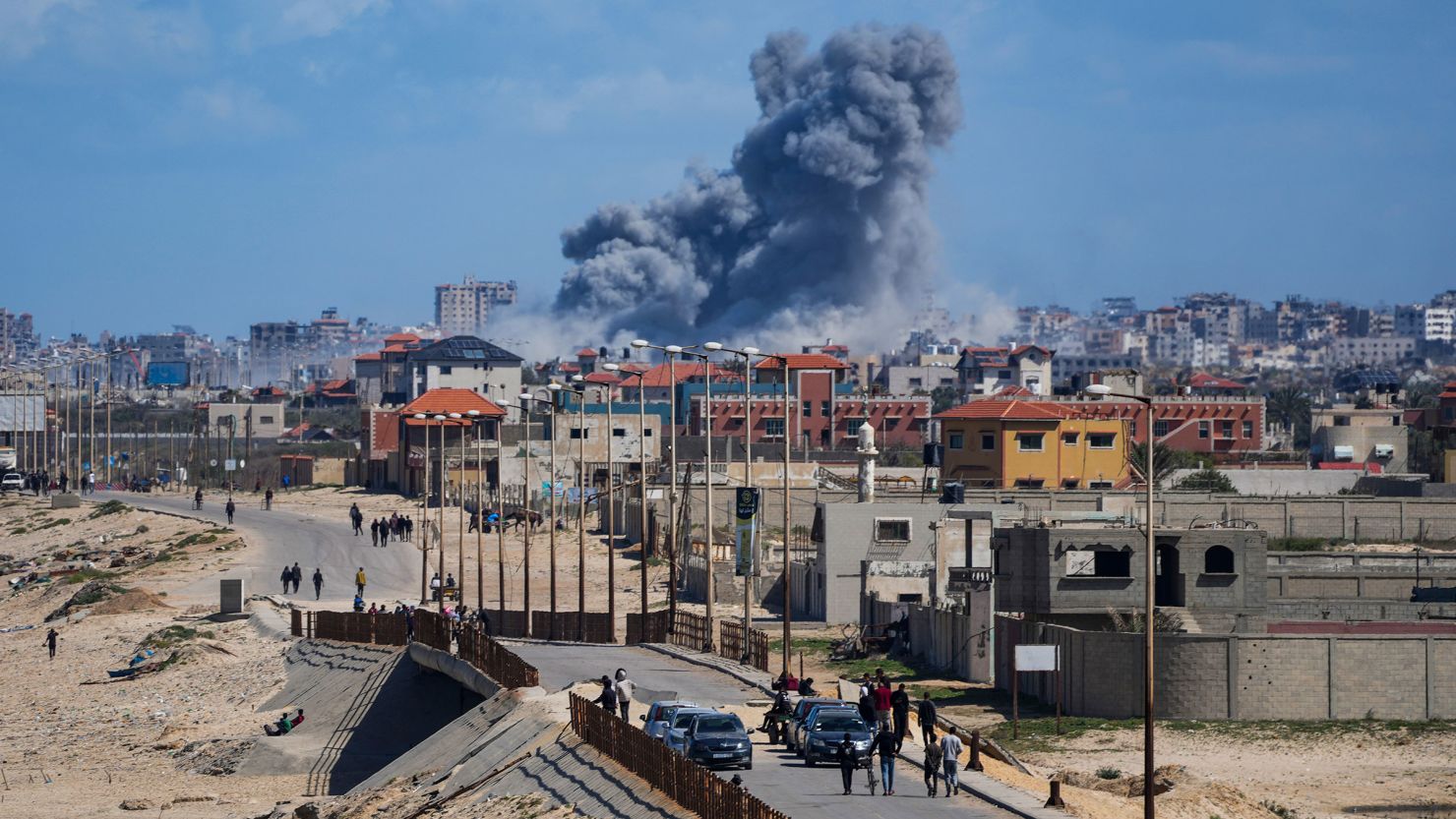
Don't be fooled by the quiet in the skies over Tehran today. While the headlines scream about a breakthrough, the reality on the ground is far more precarious. Sagiv Steinberg, Director of the Jerusalem Center for Security and Foreign Affairs, isn't buying the "peace in our time" narrative. He warns that everything can erupt in a second again, and frankly, he’s right. The current ceasefire between the US, Israel, and Iran isn't a resolution. It’s a collective gasp for air before the next round of violence.
If you’re looking for stability, you won't find it in the Islamabad talks scheduled for this weekend. The fundamental issues that drove the US and Israel to launch joint strikes against Iran earlier this year haven't gone away. Iran still wants a foothold on Israel’s borders, and Israel still views a nuclear-capable Iran as an existential threat that can't be negotiated out of existence. For a deeper dive into this area, we recommend: this related article.
The Lebanon Loophole is a Powder Keg
One of the biggest flaws in the current arrangement is the glaring absence of Lebanon. While the US and Iran are talking about the Strait of Hormuz and regional de-escalation, Israel is still pounding Hezbollah targets in southern Lebanon. It’s a massive blind spot.
Hezbollah isn't just a Lebanese militia; it’s Iran’s primary insurance policy. Steinberg points out that the Israeli-Lebanon front directly influences the broader US-Iran dynamic. You can't have a lasting peace with the patron while you’re actively trying to dismantle the proxy’s infrastructure. For broader background on this development, extensive reporting can also be found on The New York Times.
- Israel's Stance: Netanyahu’s government has made it clear that Lebanon is "not part of this game." They're committed to pushing Hezbollah back from the Litani River, ceasefire or no ceasefire.
- The Proxy Problem: If Hezbollah launches a massive retaliatory strike on Tel Aviv tomorrow, does anyone honestly think Iran stays on the sidelines of the Islamabad talks?
The White House might want a neat, compartmentalized peace, but the Middle East doesn't work that way. Everything is connected. When Israel hits a rocket launcher in Beirut, the reverberations are felt in the halls of power in Tehran.
Trump and the Price of Power
Let’s talk about why the US is at the table right now. Donald Trump’s "Operation Epic Fury" didn't deliver the quick, decisive collapse of the Iranian regime he expected. Instead, it sent oil prices through the roof and pushed the US federal debt toward the $40 trillion mark.
The US military is burning through $1 billion a day in this theater. That’s not sustainable, even for a superpower. Trump needs a win to show his base, and a ceasefire—no matter how flimsy—provides that "Mission Accomplished" moment for the cameras. But the cost to US credibility is real. European allies are furious about being left in the dark, and the IRGC (Islamic Revolutionary Guard Corps) has shown it can still lob missiles despite weeks of bombardment.
Why Saturday’s Islamabad Talks Might Fail
Everyone is looking at Saturday as the big reveal. We’re told there’s a proposal on the table, but the details are murkier than the waters of the Persian Gulf.
There's a massive gap between what the US demands and what Iran is willing to give. The White House has issued an ultimatum for the total and unconditional reopening of the Strait of Hormuz. Iran, meanwhile, is trying to tie that reopening to the lifting of crippling sanctions and a total halt to Israeli operations in Lebanon.
If those talks stall on Saturday, the "calm" we’re seeing will vanish instantly. Steinberg warns that the bombing of Iran will erupt again the moment the diplomacy fails. There’s no middle ground here. It’s either a grand bargain that satisfies no one or a return to the "final blow" doctrine.
The Reality of the Strait of Hormuz
You’ve probably heard that the Strait is "open" again. Kind of. Iran is still playing games with inspections, delays, and exorbitant fees for "unfriendly" flag states. They know they hold the world's energy jugular, and they aren't about to let go of that leverage just because of a temporary truce.
The US Navy is still on high alert. If Iran blocks a single tanker or harasses a commercial vessel this weekend, the ceasefire is over. It’s that simple. We’re one nervous sonar technician or one over-eager IRGC commander away from a full-scale regional war.
What You Should Watch For
If you want to know which way the wind is blowing, ignore the official press releases from Islamabad. Look at these three things instead:
- IDF Movement in the North: If Israel increases its troop density on the Lebanese border, they aren't planning for peace. They're preparing for Hezbollah’s inevitable response to the US-Iran deal.
- Oil Tanker Traffic: Track the volume of ships moving through Hormuz. If the numbers don't return to pre-war levels by Monday, the "deal" is a failure.
- Domestic Rhetoric in Tehran: Watch for statements from the IRGC. If they continue to claim "victory" over the US and Israel, they have no intention of complying with long-term de-escalation.
The current situation is a house of cards built on a fault line. It looks stable for a moment, but the underlying pressure is building. Don't get comfortable.
Start by diversifying your news sources beyond the major US networks. Follow regional analysts who understand the nuance of the Iran-Hezbollah relationship. Most importantly, keep an eye on the Saturday deadline. If there's no clear, signed agreement by the end of the day, expect the air raid sirens to start again by Sunday morning.