Brent crude just jumped past $90 a barrel and nobody should be surprised. When the US military moves to physically block Iranian oil terminals, the market doesn't wait for the first tanker to be turned around. It panics. You're seeing the immediate result of a massive supply-side shock that could take millions of barrels off the global map overnight. This isn't just another round of paperwork or "sternly worded" sanctions from Washington. It's a hard blockade.
Energy traders are currently pricing in a worst-case scenario. If you've been watching the charts, the volatility is insane. This move effectively traps Iranian crude inside the Persian Gulf, forcing buyers in Asia to look elsewhere. But there isn't much "elsewhere" left with OPEC+ already keeping a tight grip on production. I’ve seen these cycles before. The moment physical flows are threatened, the speculative money pours in, driving prices up way faster than the actual supply shortage justifies. It's a classic squeeze.
Why the Blockade Strategy Changes Everything for Energy Markets
Sanctions used to be about banks and blacklists. This is different. By targeting the ports themselves, the US is cutting off the physical artery of the Iranian economy. We're talking about Kharg Island, which handles about 90% of Iran's oil exports. If ships can't dock there, the oil stays in the ground.
Investors are terrified because this isn't a "paper" threat. A blockade means naval presence. It means risk premiums on shipping insurance are going to skyrocket for every vessel entering the Strait of Hormuz. Even if a tanker isn't carrying Iranian oil, its owners are going to charge more just to sail near a potential combat zone. You’re paying for that risk every time you fill up your car.
The logic from the White House is simple. They want to zero out Iran’s revenue. But the side effect is a massive tax on the rest of the world. Oil is the lifeblood of global trade. When it gets more expensive, everything from plastic toys to grocery deliveries gets pricier too. We're looking at a renewed wave of inflation just when central banks thought they had things under control. It's a mess.
China and the Battle for Shadow Tankers
China is the elephant in the room here. For years, they’ve been the primary buyer of Iranian "discounts." They use a massive fleet of older, uninsured vessels known as the shadow fleet to move this oil. This blockade is a direct shot at that trade route. If the US Navy actually starts intercepting these ships, we aren't just talking about oil prices. We're talking about a major diplomatic crisis between the world's two largest economies.
I’ve talked to logistics experts who say China won't just sit back. They need that energy to keep their factories running. If they can’t get it from Iran, they’ll bid up the price of Brent and Murban crude, competing directly with European and American buyers. That’s why you see prices rising in London and New York. It’s a global bidding war.
The Ripple Effect on Gas Prices and Consumer Goods
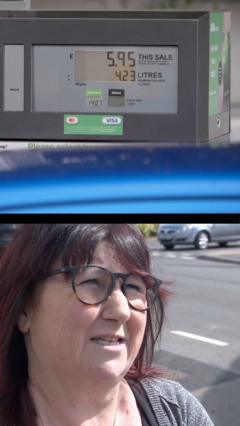
Don't think this is just a Wall Street problem. If crude stays above $95, you'll feel it at the pump within two weeks. Historically, every $10 increase in the price of a barrel of oil adds about $0.25 to the price of a gallon of gasoline. We're already halfway there since the blockade announcement.
Businesses that rely on shipping are already bracing for impact. Logistics companies like FedEx and UPS have fuel surcharges that kick in automatically. When their costs go up, your shipping fees go up. It’s a domino effect. Even the price of food is tied to oil because of the fertilizers used in farming and the diesel used in tractors. You can’t escape the energy market. It's everywhere.
Production Reality Check
Can anyone else just pump more? That's the question everyone asks. The short answer is: not quickly. Saudi Arabia has spare capacity, but they aren't exactly in a hurry to bail out the US consumer. They like higher prices. It helps fund their massive "Vision 2030" projects.
US shale producers are another story. They’ve become much more disciplined. They aren't going to go out and drill thousands of new wells just because of a temporary geopolitical spike. They’ve learned their lesson about overproducing and crashing the market. They’d rather take the higher profits from their current wells and pay out dividends to shareholders. Honestly, you can't blame them, but it doesn't help lower your gas bill.
Navigating the Volatility
If you’re an investor or just someone worried about your wallet, you need to watch the "crack spread." That’s the difference between the price of crude oil and the products refined from it, like gasoline and diesel. When the crack spread widens, it means refineries are struggling to keep up, and prices for consumers will stay high even if crude dips slightly.
Keep an eye on the weekly inventory reports from the Energy Information Administration (EIA). If US stockpiles start to drop significantly while the blockade is in place, we could easily see $100 oil. That’s the psychological breaking point. Once we hit triple digits, the political pressure on the White House will become unbearable.
Stop waiting for prices to "normalize" next week. They won't. This is a structural shift in how energy is being traded. The "peace dividend" in the energy markets is over. We’re in a period where geopolitics matters more than supply and demand fundamentals. If you're running a business, lock in your fuel contracts now. If you're a commuter, maybe it's finally time to look at that hybrid you've been eyeing. The cheap oil era just hit a naval wall.
Check your local fuel averages and compare them against the national trend to see how fast the "blockade premium" is hitting your specific region. Diversify any energy-heavy stocks in your portfolio to protect against sudden de-escalation drops, though that looks unlikely for the next quarter. Watch the Straits. Everything depends on what happens on the water now.