The clock on the microwave is a heartless judge. It’s 6:14 PM. The light in the kitchen is that particular shade of gray that makes everything look exhausted—the pile of mail on the counter, the slightly wilted basil plant, and especially you.
You are standing in front of the refrigerator with the door open, staring into the cold, illuminated void. There is a half-empty jar of pickles, a brick of cheddar that’s seen better days, and the crushing realization that "dinner" is currently a theoretical concept. The easy choice is the blue-lit screen of a delivery app. But you know how that ends. Forty minutes of waiting for a lukewarm plastic container of sodium-heavy noodles that you’ll eat while standing up, feeling a vague sense of defeat before the first bite. Meanwhile, you can read similar stories here: The 17 Puppy Record is a Biological Crisis Not a Viral Celebration.
This isn’t just about calories. It’s about the erosion of the home. When the kitchen becomes nothing more than a transit hub for takeout, something vital atrophies. We lose the rhythm of the chop, the hiss of the pan, and the sensory anchor that tells our brains the workday is over and the human part of the day has begun.
But then, there’s the box on the porch. To understand the full picture, check out the excellent analysis by Apartment Therapy.
The Architect of the Evening
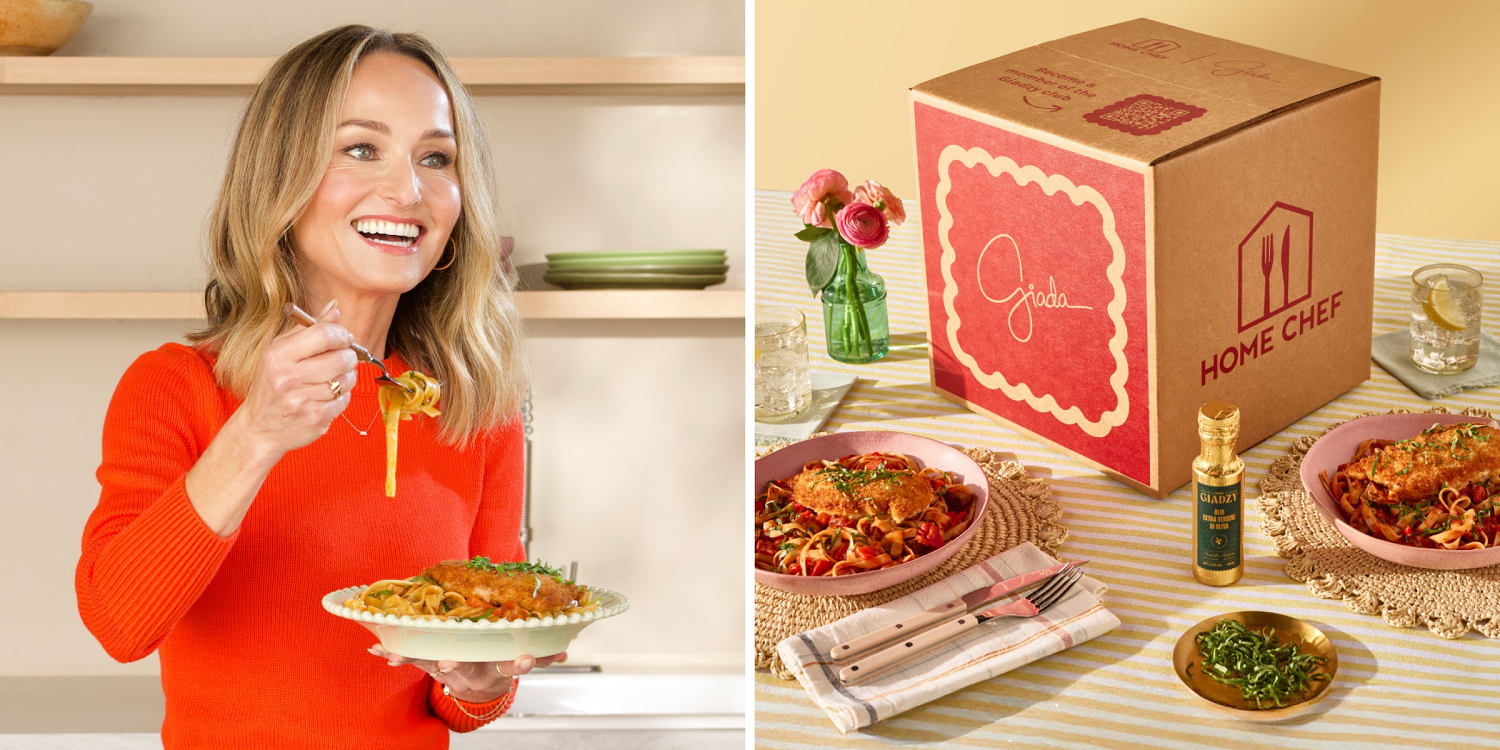
Inside that cardboard square is a calculated rebellion against the 6:00 PM slump. Home Chef has spent years perfecting the logistics of the "easy win," but their latest move isn’t about logistics. It’s about soul. They’ve invited Giada De Laurentiis into the equation, and that changes the stakes from mere "meal prep" to something closer to an invitation.
Giada is a name that carries the scent of lemon zest and the warmth of a Roman afternoon. She represents a specific kind of aspirational grace—the idea that you can be busy, successful, and still produce a meal that looks like it belongs on a sun-drenched patio in Capri. By bringing her recipes into the Home Chef rotation, they aren't just selling you pre-portioned shallots. They are selling you a temporary bypass of your own decision fatigue.
Consider Sarah. She is a hypothetical composite of a thousand modern professionals, but her burnout is very real. Sarah spent eight hours today navigating spreadsheets and "circling back" on emails that could have been dreams. When she gets home, her brain is a frayed wire. If you asked her to find a recipe, check the pantry, drive to the store, and find a specific type of pasta, she would simply order a pizza and cry.
Now, imagine Sarah opens that Home Chef box. She finds the "Giada" label. Suddenly, the mental load vanishes. She isn't "cooking dinner" in the chore sense; she is executing a plan designed by a master.
The Geometry of a Perfect Noodle
The collaboration centers on four distinct recipes that rotate through the service. These aren't just "celebrity endorsed" tweaks on basic spaghetti. They are windows into a specific culinary philosophy: Italian food should be bright, accessible, and deceptively simple.
Take the Lemon Ricotta Pasta with Arugula and Pistachios.
On paper, it’s a list of ingredients. In the kitchen, it’s a lesson in texture and contrast. You start with the heavy, creamy weight of the ricotta. It’s rich, almost indulgent. But then you hit it with the lemon—the sharp, acidic strike that cuts through the fat and wakes up the palate. The arugula adds a peppery bite, a reminder that nature is slightly wild. Then, the crunch of the pistachios.
One.
Two.
Three.
The rhythm of the meal comes together. As Sarah tosses the pasta, the kitchen begins to smell like a citrus grove instead of a damp Tuesday. The act of cooking becomes a form of active meditation. You can’t worry about your 9:00 AM presentation when you’re focused on not over-toasting the nuts. The tactile reality of the food anchors you in the present moment.
Why We Trust the Famous Face
There is a cynical way to look at this. You could say it’s just branding. But there is a deeper psychological mechanism at play. We seek out experts like De Laurentiis because we are starving for authority in an age of infinite, mediocre options.
When you search for "easy pasta recipe" online, you are met with four million results, most of them buried under fifteen paragraphs of a blogger’s life story and thirty-five pop-up ads. The paradox of choice paralyzes us. By the time you find a recipe that looks decent, you’ve lost the will to eat it.
Home Chef’s partnership acts as a curated filter. You aren't choosing from the void; you are choosing from a hand-picked selection of hits. It’s the "Greatest Hits" album of the culinary world delivered to your doorstep. You trust Giada because she has spent decades proving she knows how to balance a flavor profile. You trust Home Chef because they’ve proven they can get a fresh sprig of thyme to your house without it turning into dust.
This trust creates a safety net. It allows you to try things you might otherwise skip. Maybe you’ve never cooked with mascarpone. Maybe the idea of putting fruit in a savory dish felt too risky for a weeknight. But if Giada says it works, you try it. And suddenly, your repertoire expands. You aren't just a consumer; you’re an apprentice.
The Invisible Stakes of the Dinner Table
We often forget that the dinner table is the last true sanctuary of the home. It’s the one place where screens usually go dark and eyes actually meet. But for that to happen, the food has to be worth sitting down for.
If the meal is a struggle—if the meat is dry or the flavors are muted—the experience feels like a chore. We eat quickly, eyes drifting back to our phones, eager to be done with the "feeding" process.
But when the meal is vibrant, it demands attention. It invites conversation. "How are the pistachios in this?" leads to a discussion about that one trip to the coast, which leads to a laugh about a shared memory, which leads to a genuine connection.
The collaboration between a massive meal-kit provider and a culinary icon is, at its heart, an attempt to manufacture these moments of connection. It’s an acknowledgment that we are all a little bit broken by the pace of modern life and we need a bridge back to the things that make us feel human.
Beyond the Box
The recipes—ranging from the aforementioned Lemon Ricotta Pasta to a Chicken Marsala with a Twist—aren't meant to be permanent crutches. They are meant to be sparks.
The real magic happens three weeks later. The Home Chef box is gone. You’re at the grocery store on a Saturday. You see a bag of lemons and a container of ricotta. You remember how that sauce felt. You remember the balance of the acid and the cream. You don't need the recipe card anymore. You’ve internalized the logic.
You pick up the ingredients. You go home. You cook.
This is the hidden curriculum of the meal kit. It isn't just about convenience; it’s about competence. It’s a training ground for a life where you are no longer afraid of your own stove. It’s the slow, steady reconstruction of the home cook.
The Transformation of the Ordinary
As the sun sets, the gray light in the kitchen is replaced by the warm glow of the stove. The "cold facts" of the competitor's article—the partnership dates, the recipe titles, the price per serving—dissolve into the background. What remains is the steam rising from the pot and the sound of a fork hitting a plate.
The Tuesday night resurrection is complete. You aren't the person who stared hopelessly into the fridge anymore. You are the person who just made a De Laurentiis-inspired masterpiece in thirty minutes while wearing sweatpants.
The dish is empty. The dishwasher is humming. For the first time all day, the world feels manageable.
The kitchen is no longer a transit hub; it’s the center of the world again.