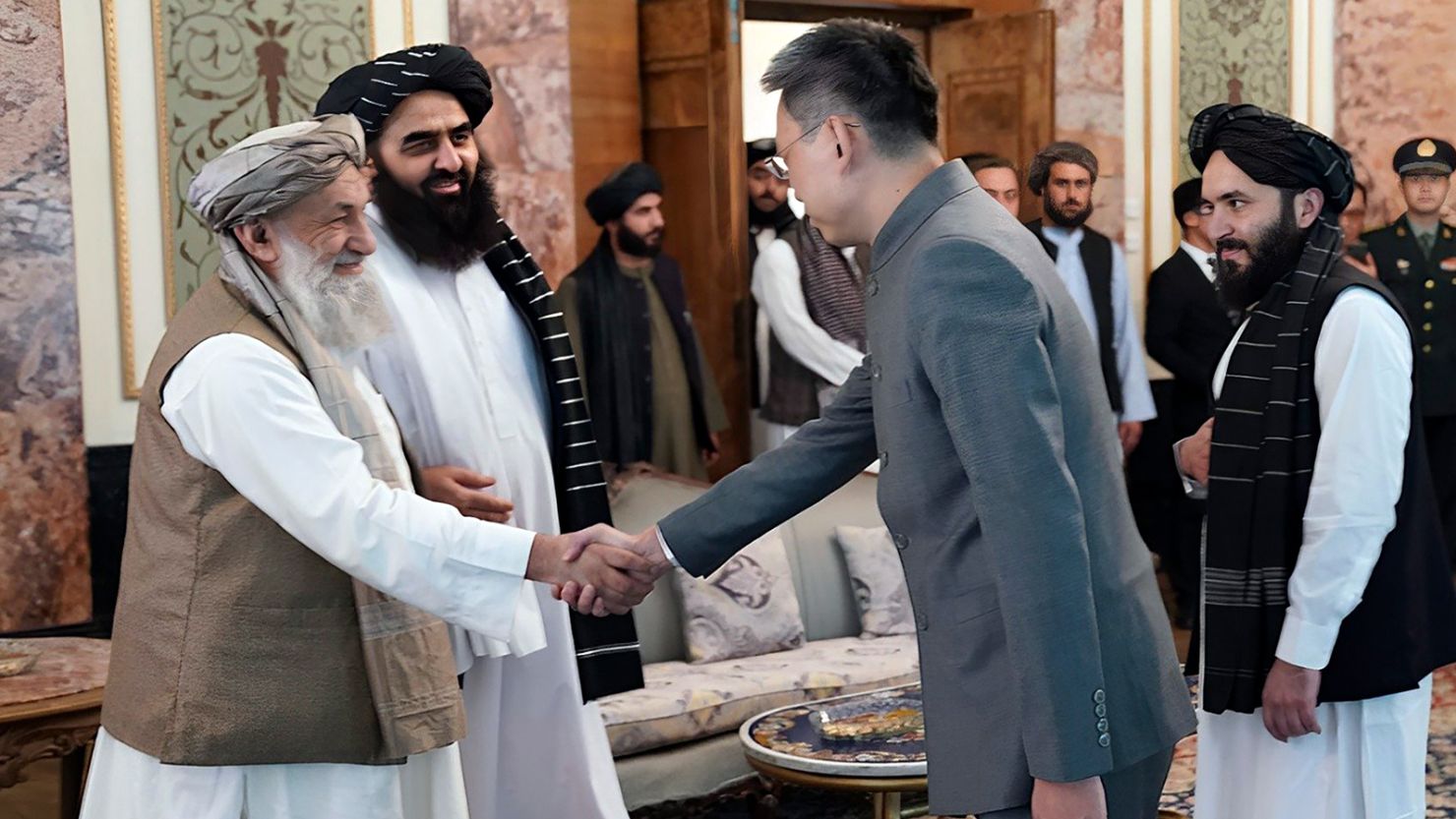
The sight of the Taliban's Defense Minister sitting across from China's Ambassador in Kabul isn't just a photo op. It’s a middle finger to every Uyghur and Turkic Muslim currently facing the nightmare of "re-education" camps in Xinjiang. While the Taliban loves to wrap itself in the flag of Islamic solidarity, its recent cozying up to Beijing reveals a much colder reality. Money and survival come before religious brotherhood every single time.
This growing alliance has sparked a firestorm of criticism from the East Turkistan Government in Exile (ETGE). Salih Hudayar, the ETGE’s Foreign and Security Minister, didn't hold back recently, calling the Taliban’s behavior the height of hypocrisy. He’s right. You can't claim to be the vanguard of Islam while shaking hands with a regime that has spent decades trying to erase your neighbors' culture and faith. You might also find this related article insightful: The Great Mirage of the Saudi-Pakistan Defense Pact.
The Security Bargain Nobody Wants to Admit
Beijing is playing a long game that started back in the 1990s. They’ve always been obsessed with one thing: making sure the "East Turkistan" independence movement doesn't have a place to breathe. By labeling legitimate national aspirations as "global terrorism," China has successfully convinced much of the world—and now the Taliban—that anyone fighting for Uyghur rights is just another jihadist.
The Taliban knows exactly what China wants. Beijing demands the suppression, and ideally the handover, of Uyghur militants—specifically those associated with the Turkistan Islamic Party (TIP). In return, the Taliban gets something they desperately need: a powerful neighbor that doesn't care about their human rights record and is willing to invest in Afghan mines and infrastructure. As extensively documented in recent articles by BBC News, the implications are notable.
It's a cynical trade.
- China gets a buffer zone and a promise that Xinjiang won't be "destabilized" from Afghan soil.
- The Taliban gets diplomatic cover and Chinese yuan to keep their struggling economy afloat.
- The Uyghurs get sold out.
Why This Cooperation is a Slap in the Face
The ETGE argues that China has used the "East Turkistan Islamic Movement" (ETIM) label as a convenient boogeyman to justify genocide. Honestly, it’s a brilliant, if evil, strategy. If you call everyone a terrorist, nobody asks questions when you lock up a million people. By engaging in "security cooperation" with China, the Taliban isn't just being pragmatic; they're actively validating Beijing's narrative.
The Taliban's Defense Ministry recently talked about "enhancing security cooperation." In plain English, that means hunting down people China considers a threat. Reports have already surfaced of the Taliban moving Uyghur fighters away from the Chinese border to placate Beijing. While they haven't started mass extraditions yet, the message is clear: You aren't safe here if you're an enemy of the Communist Party.
The Economic Carrot and the Security Stick
China isn't helping the Taliban because they're friends. It’s purely transactional. Beijing is terrified of IS-K (Islamic State–Khorasan) and doesn't want Afghanistan to become a launching pad for attacks on Chinese workers or the "Belt and Road" projects in Pakistan.
Just this year, we've seen:
- Diplomatic Mediations: China trying to play peacemaker between Afghanistan and Pakistan to protect its "all-weather" interests.
- Media Expansion: Chinese state media flooding the Afghan landscape with "positive" stories to drown out talk of repression or poverty.
- Resource Grabs: High-level talks about lithium and copper mines that could line the Taliban's pockets while fueling China's tech dominance.
The East Turkistan Government in Exile sees this for what it is—a "calculated move" to trade the lives and liberties of the East Turkistani people for political backing. The Taliban has basically chosen a seat at the table with a global superpower over the "ummah" they claim to protect.
What This Means for the Region
If you think this ends with a few mining contracts, you're not paying attention. This alliance shifts the entire power dynamic in Central Asia. It signals to other Muslim-majority nations that if the "Islamic Emirate" can overlook China's treatment of Muslims, then anyone can. It sets a dangerous precedent where economic dependency is used to silence dissent against one of the worst human rights crises of our time.
The ETGE isn't just complaining; they're sounding an alarm about the erasure of a people. When the Taliban aligns with China's security apparatus, they become an extension of the very system that builds the camps in Urumqi.
If you care about regional stability or human rights, don't look away from Kabul. The partnership between the Taliban and Beijing is a blueprint for how authoritarian regimes can bypass international pressure.
Watch the Wakhan Corridor. That tiny strip of land connecting the two countries is the front line of this betrayal. Keep an eye on the ETGE's official statements and support organizations that document the reality of life in East Turkistan. The more the Taliban and China try to hide this "security cooperation" behind closed doors, the more we need to talk about it.



