The convergence of the 2026 Eid ul Fitr holiday with the escalation of kinetic warfare involving Iran and regional coalitions has dismantled the traditional surge in Gulf Cooperation Council (GCC) consumer confidence. This is not merely a localized dip in sentiment; it is a structural realignment of how religious observance interacts with geopolitical risk. In previous cycles, Eid served as a reliable catalyst for a 15-25% spike in retail, hospitality, and aviation sectors across Saudi Arabia and the United Arab Emirates. In 2026, the risk premium associated with Iranian military maneuvers has inverted this trend, creating a contraction in discretionary spending and a flight to liquidity.
The failure of "business as usual" during this period stems from three specific friction points: the closure of critical airspace, the disruption of the maritime energy corridor, and the psychological de-coupling of traditional festive spending from an uncertain security environment. In related developments, take a look at: The Sabotage of the Sultans.
The Triad of Economic Contraction
The dampening effect noted in current regional reports is driven by a measurable "Insecurity Index" that affects three core pillars of the Eid economy.
1. The Aviation Bottleneck
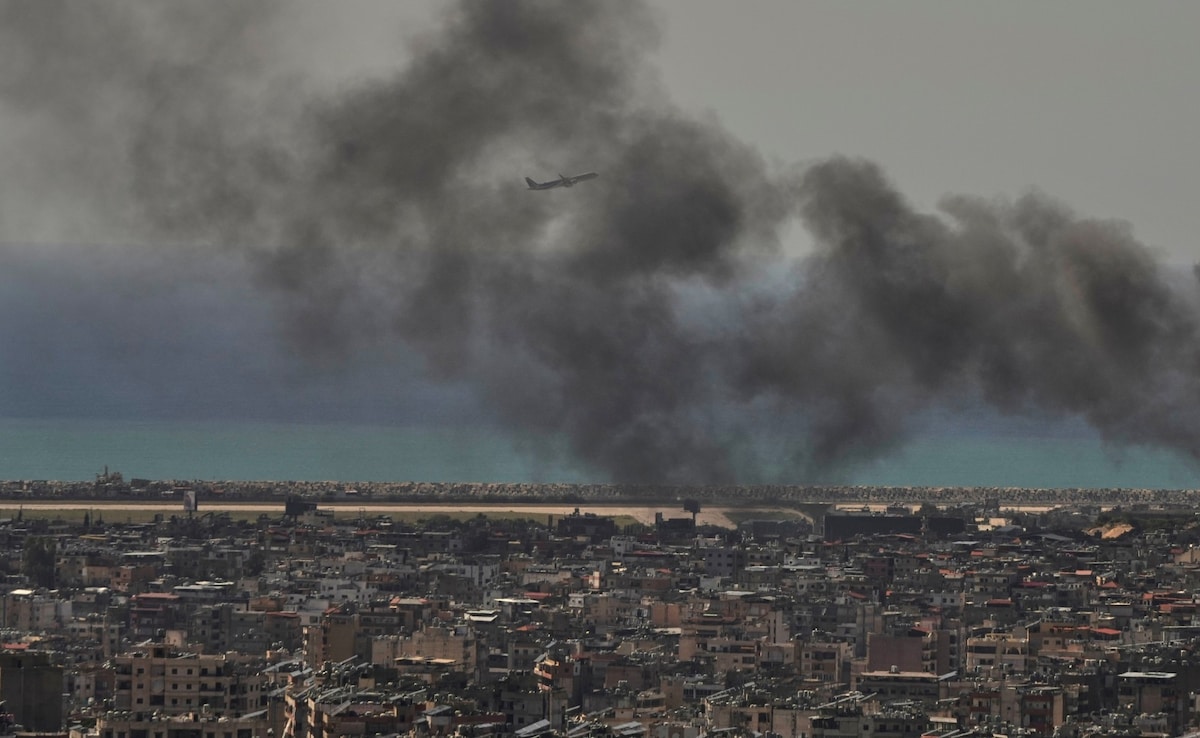
Saudi Arabia and the UAE serve as the primary transit hubs for the Islamic world. The threat of long-range missile exchanges and drone incursions has forced civil aviation authorities to reroute or ground significant portions of their fleets. The Guardian has also covered this important issue in extensive detail.
- Operational Risk: Rerouting flights to avoid Iranian-adjacent corridors adds 90-150 minutes of flight time, increasing fuel burn by an average of 12% per leg.
- Revenue Loss: High-net-worth religious tourism, which typically peaks during the final ten days of Ramadan leading into Eid, has seen a 40% cancellation rate in luxury hotel bookings in Riyadh and Dubai.
- The Insurance Multiplier: War-risk insurance premiums for aircraft parked at regional hubs have tripled since the onset of hostilities, forcing airlines to pass costs to consumers or absorb losses that erase quarterly margins.
2. The Logistics Stagnation
Eid ul Fitr is a peak period for the movement of perishable goods, textiles, and electronics. The proximity of the conflict to the Strait of Hormuz has created a logistical "choke-point" effect.
- Inventory Decay: Delays in maritime offloading due to increased security screenings have led to a 15% loss in perishable food inventories intended for Eid feasts.
- Last-Mile Friction: In the UAE, logistical focus has shifted toward strategic food security and military readiness, deprioritizing the delivery of non-essential consumer goods.
3. The Psychological Liquidity Trap
In periods of high-intensity conflict, households shift from "festive consumption" to "precautionary savings." This is observable in the decline of credit card transactions for high-ticket items—jewelry, electronics, and luxury apparel—compared to the 2025 data.
- The Savings Pivot: Middle-class families in Jeddah and Abu Dhabi are prioritizing cash reserves over traditional Eid gifts (Eidi).
- The Crowd Avoidance Variable: Public celebrations, typically the engine of the retail sector, are seeing diminished attendance. Security protocols, including increased checkpoints and the suspension of large-scale public fireworks or concerts in high-risk zones, have removed the primary incentives for foot traffic in malls.
Strategic Displacement of the Hajj and Umrah Pipeline
While Eid ul Fitr is a standalone celebration, it functions as a critical bellwether for the Hajj season. The current conflict with Iran has disrupted the Saudi "Vision 2030" trajectory for religious tourism. The mechanism of this disruption is twofold:
- Sovereign Risk Perception: International pilgrims from Southeast Asia and Africa are weighing the spiritual obligation against the physical risk of regional instability.
- Infrastructure Diversion: Significant portions of the hospitality and transport infrastructure in the Eastern Province and near the border regions are being repurposed for military logistics or civilian defense contingencies.
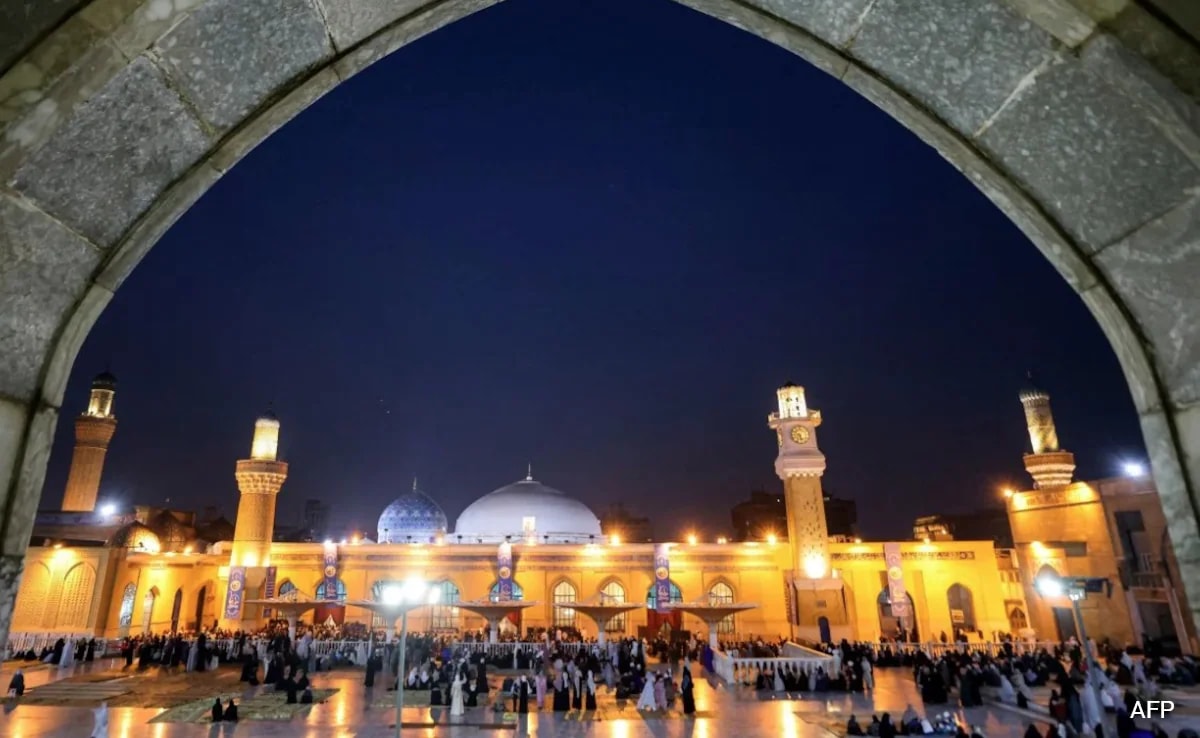
The "dampened" atmosphere is not a result of a lack of piety, but a calculated response to a high-threat environment where the cost of public assembly outweighs the cultural utility of the event.
The Cost Function of Regional Instability
The economic impact of this conflict during a peak religious window can be modeled as a function of duration and intensity.
$$C_{total} = (R_{lost} \times P_{risk}) + (O_{exp} \times T)$$
Where:
- $R_{lost}$ represents the projected retail and tourism revenue.
- $P_{risk}$ is the weighted probability of an active kinetic strike on civilian infrastructure.
- $O_{exp}$ is the daily operational expenditure of increased security and insurance.
- $T$ is the duration of the conflict window.
This formula demonstrates that even if no physical damage occurs, the mere threat of escalation (high $P_{risk}$) serves as a tax on the economy, siphoning capital away from productive festive spending.
Operational Realities for GCC Businesses
Enterprises operating within the Saudi-UAE corridor must move beyond traditional crisis management. The current environment demands a "Hardened Logistics" approach.
- Supply Chain Decentralization: Relying on Jebel Ali or Jeddah as single-entry points is no longer viable. Firms are increasingly utilizing land-bridge alternatives through Oman or the Red Sea ports further south to bypass the immediate conflict theater.
- Digital Pivot: With physical retail suppressed, the "Digital Eid" has seen a forced acceleration. However, this is limited by the fact that the services sector (dining, travel, events) cannot be digitized. The delta between lost physical revenue and gained digital revenue remains negative.
- Human Capital Security: Multinational firms have triggered "Duty of Care" protocols, restricting staff movement during the holiday period. This has led to a labor shortage in the service sector, as expatriate workers avoid high-density areas or travel back to their home countries earlier than planned.
The Geopolitical Standoff as a Consumer Barrier
The conflict with Iran is unique because it targets the perception of safety in the world's most stable autocracies. Saudi Arabia and the UAE have spent decades branding themselves as safe havens for capital and tourism. A kinetic conflict during the most significant religious event of the year punctures this narrative.
The "dampening" of celebrations is a signal of a deeper structural vulnerability: the dependence of the GCC's diversification efforts on a zero-conflict baseline. When that baseline is disturbed, the entire "Vision" economy experiences a cardiac event.
Divergence in Local vs. Expatriate Behavior
A distinct divergence has emerged in how different demographics are responding to the Iran war threat:
- Local Populations: Continue to observe religious rites but have moved them into private, domestic spaces. This keeps grocery and essential spending stable but collapses the "Experience Economy."
- Expatriate Populations: Are treating the Eid break as an opportunity for "exit-travel" to non-regional destinations (Europe or South Asia), leading to a capital flight that does not return to the local economy during the holiday.
Military Readiness vs. Social Cohesion
The governments of Saudi Arabia and the UAE are facing a delicate balancing act. They must project overwhelming military strength to deter Iranian aggression while simultaneously attempting to maintain a sense of normalcy for the Eid holiday to prevent a collapse in consumer sentiment.
The presence of Patriot missile batteries and increased air patrols near major urban centers like Riyadh, Dubai, and Abu Dhabi serves as a visual reminder of the stakes. While these measures provide safety, they act as a "Festivity Inhibitor." It is difficult to foster a celebratory atmosphere when the skyline is defined by defensive posture rather than celebratory light displays.
The strategic play for the remainder of 2026 involves a transition toward a "Fortress Economy" model. For businesses and investors, the immediate priority is to de-risk assets from the Strait of Hormuz and re-allocate capital toward the Red Sea corridor (NEOM and Giga-projects in Western Saudi Arabia), which currently enjoys a greater geographical buffer from the Iranian theater. Retailers should anticipate a 12-to-18-month cycle where religious holidays remain subdued, necessitating a shift in marketing from "Grand Celebrations" to "Home-Based Security and Comfort." The era of the "Mega-Eid" is on a forced hiatus until the regional security architecture is either restored or fundamentally rewritten through the current conflict.
Identify the specific insurance exposure in your regional supply chain and move to a tri-modal logistics strategy—combining sea, air, and land—to ensure that the 2026 Hajj season does not suffer the same logistical paralysis currently affecting the Eid ul Fitr period.