Qatar has just dispatched its ninth formal letter to the United Nations Security Council since February 28, 2026, marking a desperate diplomatic final stand as Iranian missiles continue to rain down on the world’s most critical energy infrastructure. This latest communication, delivered by Permanent Representative Sheikha Alya Ahmed bin Saif Al-Thani to Council President Michael Waltz, isn't just a grievance; it is a legal trigger for Article 51 of the UN Charter, signaling that Doha is preparing for a "proportionate" military response that could ignite a total regional conflagration.
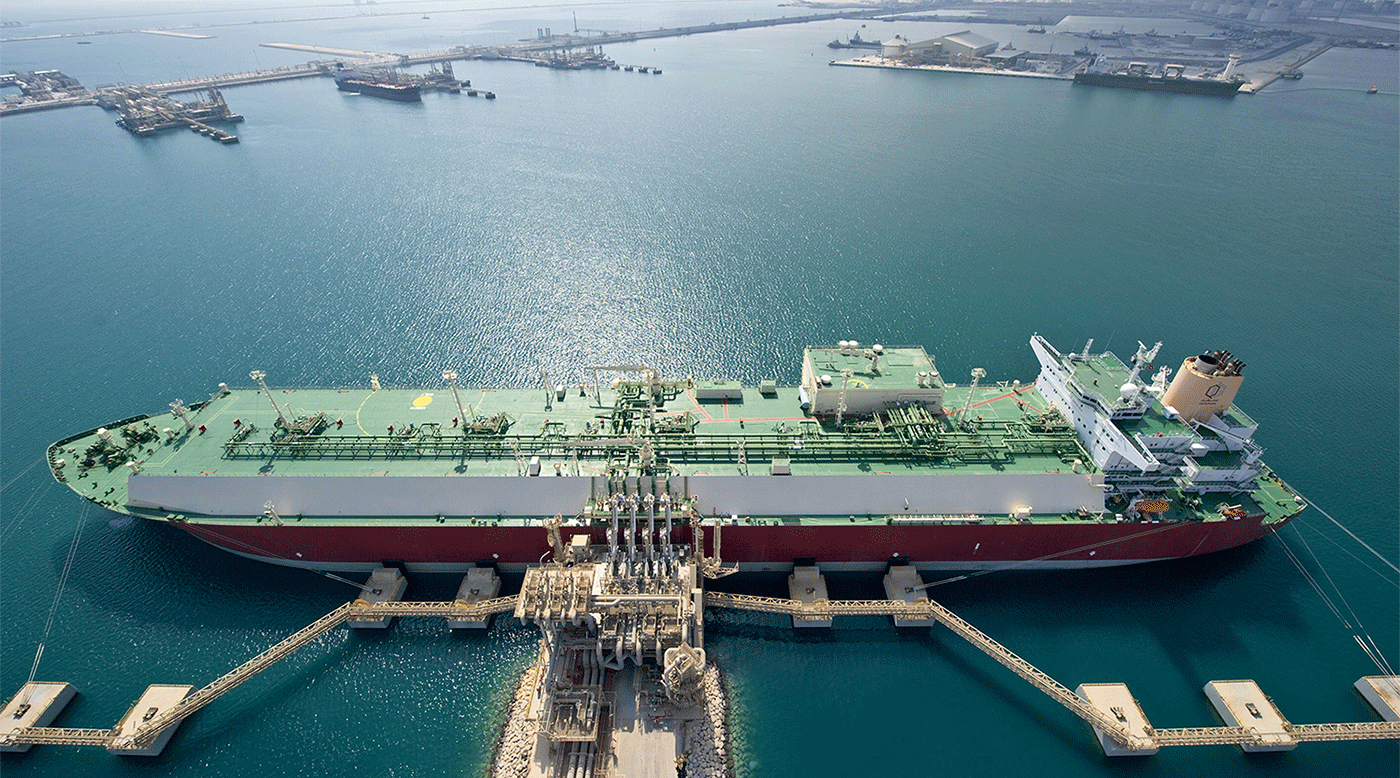
The primary driver of this crisis is no longer a shadow war. It is an open, kinetic assault on the global energy "plumbing." Following a massive Israeli strike on the Iranian sector of the South Pars gas field—the world’s largest, which Iran shares with Qatar—Tehran has pivoted its fury toward Doha. By targeting the Ras Laffan Industrial City and Mesaieed Power Plant, Iran is attempting to hold the world’s liquid natural gas (LNG) supply hostage to force a cessation of U.S. and Israeli airstrikes on its own soil.
The Failure of Resolution 2817
Just days ago, the Security Council adopted Resolution 2817 with a crushing 13-0 vote. It was supposed to be a "decisive step," a line in the sand drawn by 136 co-sponsoring nations. It demanded an immediate end to Iranian aggression against neutral neighbors like Qatar, Bahrain, and the UAE.
It failed before the ink was dry.
Iran’s response was not a ceasefire, but a barrage of five ballistic missiles on March 10, followed by nine more missiles and a swarm of drones the next day. The sheer volume of ordinance being intercepted by Qatari Amiri Air Defense systems suggests that Tehran has categorized the Gulf states not as neutral observers, but as "enablers" of Western aggression. Iran’s UN representative, Amir Saeed Iravani, explicitly argued in his own letter to the council that Qatari soil is being used as a "launch point" for the aggressors, rendering Doha’s "vital and military facilities" legitimate targets.
A Betrayal of Neutrality
For decades, Qatar positioned itself as the region’s ultimate middleman. It hosted the largest U.S. airbase at Al Udeid while maintaining a functional, if tense, partnership with Tehran over their shared gas interests. That middle ground has evaporated.
The "sense of betrayal" voiced by Qatari leadership stems from a fundamental miscalculation. Doha believed its role as a diplomatic bridge—facilitating talks between Iran and the West—would buy it immunity. Instead, it has become a convenient punching bag. When Israel strikes Iran’s energy heart, Iran strikes Qatar’s. It is a cynical logic of "if we cannot export, no one will."
This isn't just a military headache for Doha; it is an existential economic crisis. QatarEnergy has already declared force majeure on several LNG shipments. With 22 Indian-flagged ships and countless other tankers stranded in the Persian Gulf, the global supply chain is beginning to snap.
The Trump Factor and the South Pars Ultimatum
The geopolitical stakes shifted violently this week with President Donald Trump’s "total destruction" ultimatum. After claiming the U.S. had no prior knowledge of the Israeli strike on the Iranian side of South Pars, Trump issued a chilling warning: any further Iranian move against Qatar would result in the U.S. "massively blowing up" the entirety of the Iranian gas field.
This rhetoric creates a terrifying paradox. While intended to deter, it may actually be pushing Tehran into a "use it or lose it" mentality regarding its remaining military leverage. If the Iranian regime believes its energy infrastructure is doomed regardless of its restraint, the incentive to preserve the peace in the Gulf vanishes.
The Intelligence Gap
In Washington, Director of National Intelligence Tulsi Gabbard has testified that while the Iranian government is "largely degraded" after three weeks of war, the regime remains intact and capable of sophisticated strikes. This contradicts the early-war narrative that a few days of precision strikes would "decapitate" the threat.
The reality on the ground in Doha is one of sirens and smoke. Despite the high interception rates of the Patriot and domestic defense systems, the psychological and economic toll is mounting. Civilian injuries are no longer a hypothetical risk; they are documented in the ninth letter to the UNSC.
Moving Toward the Brink
The current strategy of "absorbing" strikes while filing letters to the UN is reaching its expiration date. Qatari officials are now openly discussing the "price that must be paid," and the language of Article 51—the right to self-defense—is appearing with increasing frequency in their official rhetoric.
If Qatar decides to activate its right to respond, it won't just be intercepting missiles. It will be targeting launch sites inside Iran. At that point, the "ninth letter" will be remembered as the final warning the world chose to ignore before the Strait of Hormuz became a graveyard for the global economy.
Would you like me to analyze the specific economic impact of the Ras Laffan strikes on European energy prices?