The air in the border towns of Eastern Hungary carries a specific, metallic chill this time of year. It is the scent of rust, damp earth, and the invisible hum of high-pressure steel. For decades, the steady pulse of Russian gas through the Druzhba pipeline has been more than just an energy source; it has been the quiet heartbeat of a political identity. But as the next election cycle looms like a gathering storm on the horizon, that heartbeat is skipping.
Victor, a hypothetical but representative shopkeeper in Záhony, doesn't care much for the geopolitical chess matches played in Brussels or Kyiv. He cares about the radiator in his back room. When the ruling Fidesz party speaks, they speak directly to his fear of the cold. They tell him that his warmth is being held hostage. They point a finger eastward, not at the source of the gas, but at the country it must traverse to reach him.
The accusation is heavy, jagged, and repeated until it feels like common sense: Ukraine is sabotaging the flow. It is a narrative of betrayal. It suggests that while Hungary offers humanitarian aid, its neighbor is tightening a garrote around the Hungarian economy to influence the ballot box.
The Engineering of Anxiety
To understand the weight of an accusation of sabotage, you have to understand the fragility of the infrastructure. A pipeline is not just a pipe. It is a thousand miles of pressure valves, compressor stations, and delicate sensors. In a time of war, a "technical glitch" is never just a glitch. It is a message.
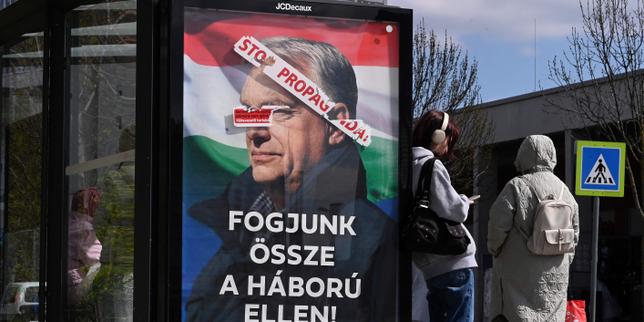
The Hungarian government has built its domestic platform on the promise of rezsicsökkentés—the mandatory reduction of utility bills. It is the bedrock of their popularity. If the gas stops, the price surges. If the price surges, the promise breaks. By framing current transit disruptions as intentional Ukrainian sabotage, the ruling party creates a powerful "us versus them" vacuum. They aren't just fighting an election; they are portrayed as defending the very hearths of the Hungarian people against a vengeful neighbor.
Logic dictates that Ukraine has little to gain from alienating a NATO neighbor, yet the narrative persists because it plays on a deep-seated historical trauma. Hungary has spent centuries feeling like the buffer zone between empires. When the government claims that Kyiv is trying to "topple the sovereign will of the Hungarian voters" by messing with the valves, they are tapping into a vein of nationalism that runs deeper than any policy paper.
The Ghost in the Machine
Consider the mechanics of the claim. Sabotage doesn't always require dynamite. Sometimes, it looks like administrative delay. It looks like a refusal to grant transit permits or a sudden "maintenance requirement" on a crucial junction.
In the hallways of power in Budapest, the rhetoric has shifted from diplomatic concern to outright alarmism. They cite the 2022 Nord Stream explosions as a haunting precedent. They suggest that the Druzhba—the "Friendship" pipeline, irony intended—is the next target. By preemptively accusing Ukraine of intent to sabotage, the ruling party achieves two things. First, they explain away any future energy shortages before they happen. Second, they cast the opposition as puppets of a foreign power that is actively trying to freeze the Hungarian public.
It is a masterful bit of psychological engineering. It shifts the stakes of the election from "How is the economy doing?" to "Who will keep the lights on?"
A House Divided by a Trench
Walking through the streets of Budapest, the tension is palpable but quiet. You see it in the way people glance at the news tickers. The opposition parties find themselves in an impossible vice. If they defend Ukraine, they are labeled as traitors who don't care if Hungarians freeze. If they remain silent, they allow the ruling party to define the reality of the conflict.
The truth is often lost in the friction. While Ukraine has indeed expressed frustration with Hungary’s continued reliance on Russian energy and its perceived blocking of EU aid packages, the jump from "diplomatic friction" to "industrial sabotage" is a chasm wider than the Danube. Yet, in the heat of a campaign, nuance is the first casualty.
The reality of the energy landscape is that Hungary is landlocked. It is a prisoner of geography. It cannot simply flip a switch and source its gas from the North Sea or North Africa. It is tethered to the East by literal chains of iron. This dependency is the ruling party’s greatest vulnerability and its most potent weapon. They have turned a strategic weakness into a narrative of heroic resistance.
The Invisible Stakes
We often talk about elections in terms of percentages and demographics. We talk about the youth vote, the rural-urban divide, and the influence of social media. But we rarely talk about the pressure in a pipe.
For the average voter, the "sabotage" narrative isn't about international law. It's about the fear of the unknown. It’s the feeling of powerlessness that comes when you realize your life is dictated by valves turned by hands you will never see, in a country you’ve been told hates you.
The ruling party knows that fear is more durable than hope. Hope is fickle; it requires results. Fear only requires a threat. By positioning Ukraine as the shadow-saboteur, they ensure that the voter feels the need for a "strongman" to hold the line. They turn the polling station into a bunker.
The Echo in the Steel
As the sun sets over the Great Hungarian Plain, the shadows of the pylons and the refineries stretch long and thin. There is no sound but the wind and the distant, muffled thrum of the pumps.
Is there actual sabotage? The technical reports are inconclusive, draped in the fog of war and the secrecy of state-owned energy giants. But in the theater of politics, the "fact" of the sabotage is already real. It lives in the conversations at the butcher shop. It lives in the frantic headlines of the state-aligned press. It lives in the way a grandmother turns down her thermostat, eyes fixed on the television, wondering if the people across the border really are coming for her warmth.
The election will come and go. The ballots will be counted. But the narrative of the betrayed neighbor and the threatened hearth will remain. It is a story written in the frost on the windows, a story that ensures that even when the gas flows freely, the chill remains.
The valves turn. The pressure rises. Somewhere in the dark, a sensor flickers, and a thousand miles away, a voter decides that it is better to be warm and wary than cold and "right."