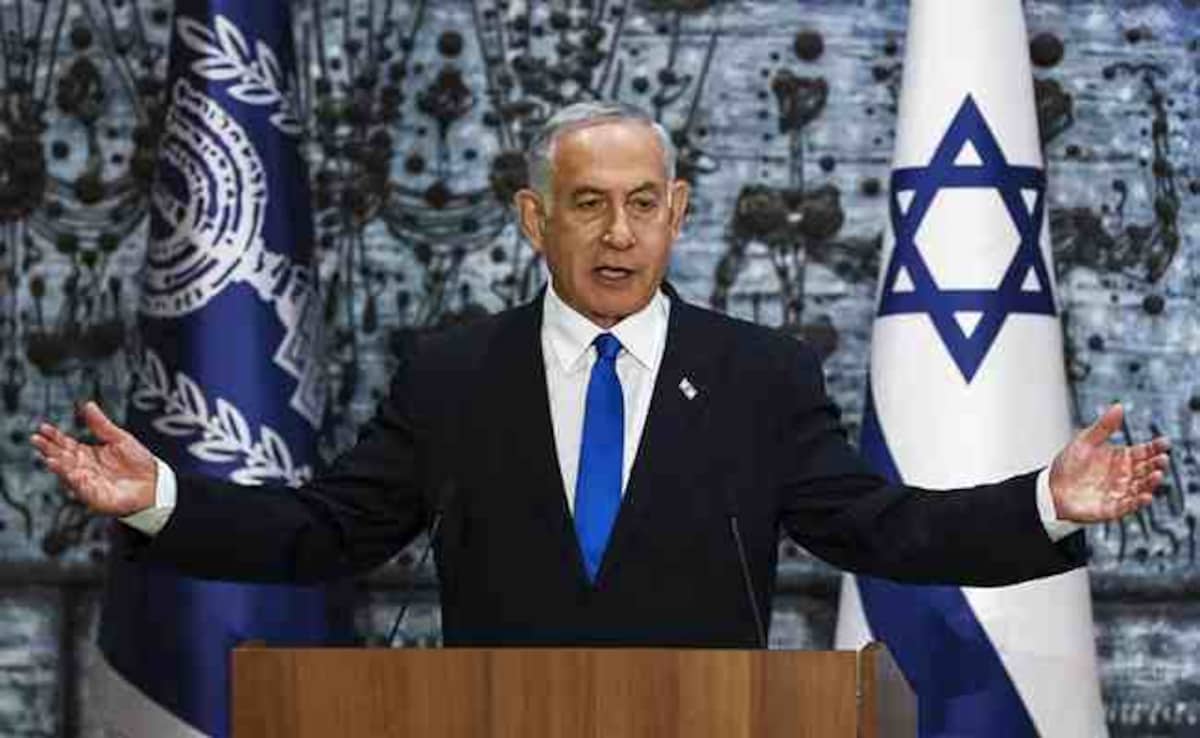
Benjamin Netanyahu just sent a clear message to the world and he didn't mince words. There’s no ceasefire coming for Lebanon. Despite the frantic diplomatic back-and-forth in Washington and Paris, the Israeli Prime Minister made it plain that the military will keep hitting Hezbollah with full force. If you’ve been watching the headlines, you might think a deal is just around the corner. It isn't. Not even close.
The reality on the ground is messy and loud. Israeli jets are currently hammering targets across Beirut and southern Lebanon. Netanyahu's stance isn't just political posturing; it's a calculated military strategy to dismantle a threat that has lived on Israel's doorstep for decades. He told his military leaders to keep fighting with "full force" according to the plans presented to him. This isn't a temporary flare-up. It's a fundamental shift in how Israel handles its northern border.
The Pressure Cooker Behind the No Ceasefire Policy
The international community is practically begging for a 21-day pause. The U.S. and France are leading the charge, hoping to prevent a total regional meltdown. But Netanyahu has a massive domestic problem that keeps him from saying yes. Over 60,000 Israelis are displaced from their homes in the north. They’ve been living in hotels and temporary housing for almost a year. They're angry. They’re tired. And they’re telling the government they won’t go back until Hezbollah is pushed far away from the border.
Accepting a ceasefire now, while Hezbollah still has its long-range missile capabilities intact, would be political suicide for Netanyahu. His hardline coalition partners, like Itamar Ben-Gvir, have already threatened to bolt if he agrees to a "surrender" deal. If the government falls, Netanyahu’s political career—and his ongoing legal battles—hit a wall. So, he chooses the path of maximum military pressure. It's about survival. His own, and what he defines as the state's.
Why Hezbollah is Different This Time
We aren't in 2006 anymore. Back then, the conflict lasted 34 days and ended in a shaky UN resolution that Hezbollah basically ignored. Today, the stakes are higher because the weaponry is better. Hezbollah has spent nearly twenty years digging tunnels and stockpiling precision-guided munitions. They aren't just a guerrilla group; they're a small army with better gear than many actual countries.
Israel’s intelligence suggests that if they stop now, they leave the job half-finished. They've already taken out high-ranking commanders like Ibrahim Aqil. They’ve disrupted communication lines. From a tactical perspective, the Israeli Defense Forces (IDF) believe they have Hezbollah on the ropes. Why would they stop and let their enemy catch their breath? Honestly, they won't. They see this as a once-in-a-generation chance to reset the security balance in the Middle East.
The Missile Math
Let’s look at the numbers. Hezbollah has roughly 150,000 rockets. Even after days of intense bombing, thousands of those are still pointed at Tel Aviv. Israel’s Iron Dome is good, but it isn't perfect. A saturation attack could still overwhelm it. By refusing a ceasefire, Netanyahu is betting that he can destroy enough of that "missile math" to make the remaining threat manageable. He’s gambling with the lives of his citizens, but in his mind, the risk of a future October 7th style raid from the north is way worse than the current war.
Misconceptions About the Diplomatic Push
People keep saying the U.S. is blindsided. Don't believe it. While the White House puts out press releases about "de-escalation," they also understand the strategic logic of weakening an Iranian proxy. The tension you see between Biden and Netanyahu is real, but the military support keeps flowing. It’s a classic "good cop, bad cop" routine on the global stage.
The biggest mistake analysts make is thinking this is just about Gaza. It’s not. The Lebanon front has become its own beast. Hezbollah linked their attacks to the war in Gaza, saying they’d stop when the fighting there stopped. Netanyahu is trying to break that link. He wants Hezbollah to pay such a high price that they’re forced to decouple their fate from Hamas. It’s a brutal way to negotiate, but it’s the only language being spoken right now.
The Civilian Cost of No Deal
We can't ignore the human side. Hundreds have died in Lebanon in just the last few days. Tens of thousands are fleeing toward Beirut or Syria. The infrastructure is crumbling. When Netanyahu says "full force," this is what it looks like. It’s ugly. It’s tragic. And for the people living under the flight paths of the IDF, the talk of diplomatic "frameworks" feels like a cruel joke.
What Actually Happens Next
Expect the strikes to intensify before they slow down. Israel is likely looking for a "window of opportunity" to destroy specific high-value targets before the weather turns or the international pressure becomes truly unbearable. They’re also prepping for the possibility of a ground incursion. You don't move tanks to the border just for show.
If you're looking for a silver lining, you won't find one in the current rhetoric. Netanyahu’s office has been very specific: there is no deal. The military has its orders. The drones are still up. The missiles are still flying.
Keep an eye on the internal Israeli politics over the next 48 hours. If Netanyahu starts to soften his tone, it’s because he’s secured a backroom deal that guarantees Hezbollah moves north of the Litani River. If he stays this aggressive, it means he thinks he can win this through sheer firepower. Right now, the firepower is winning.
The next logical step for anyone following this is to monitor the movement of IDF reserve brigades. Their positioning will tell you more than any press secretary ever could. If those brigades move from "staging" to "active," the air campaign was just the opening act. Watch the border, not the podiums.