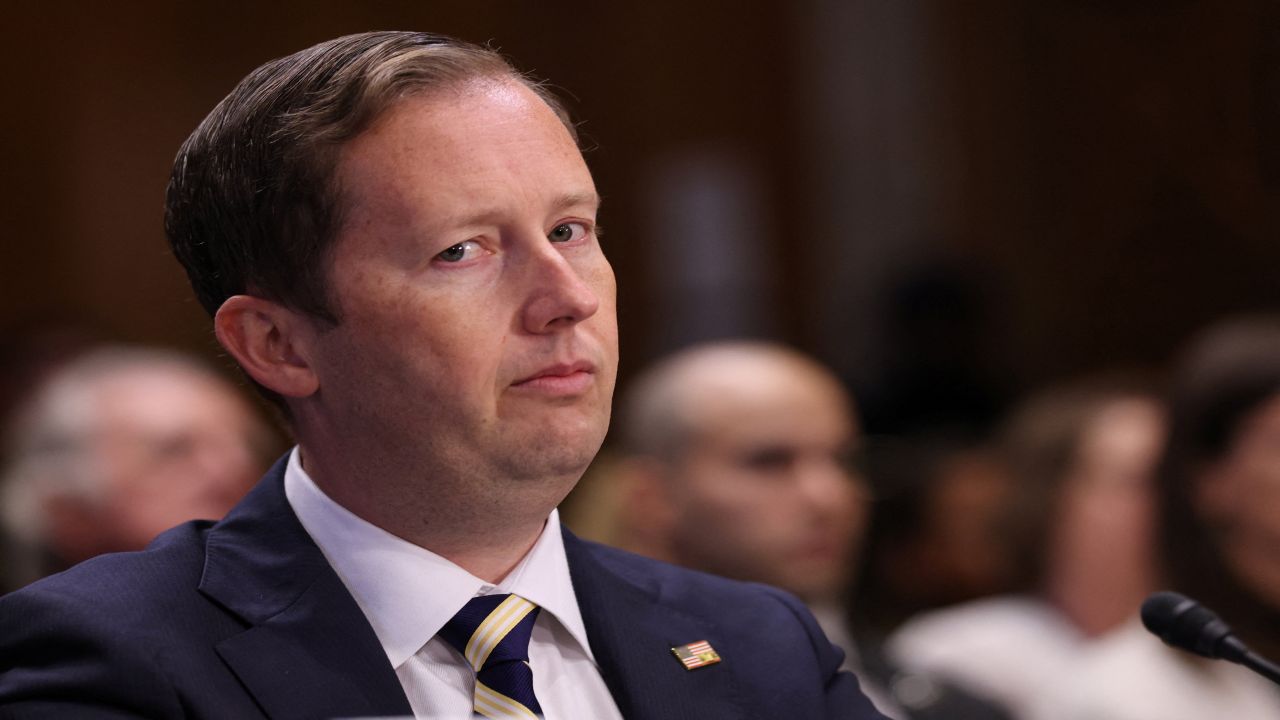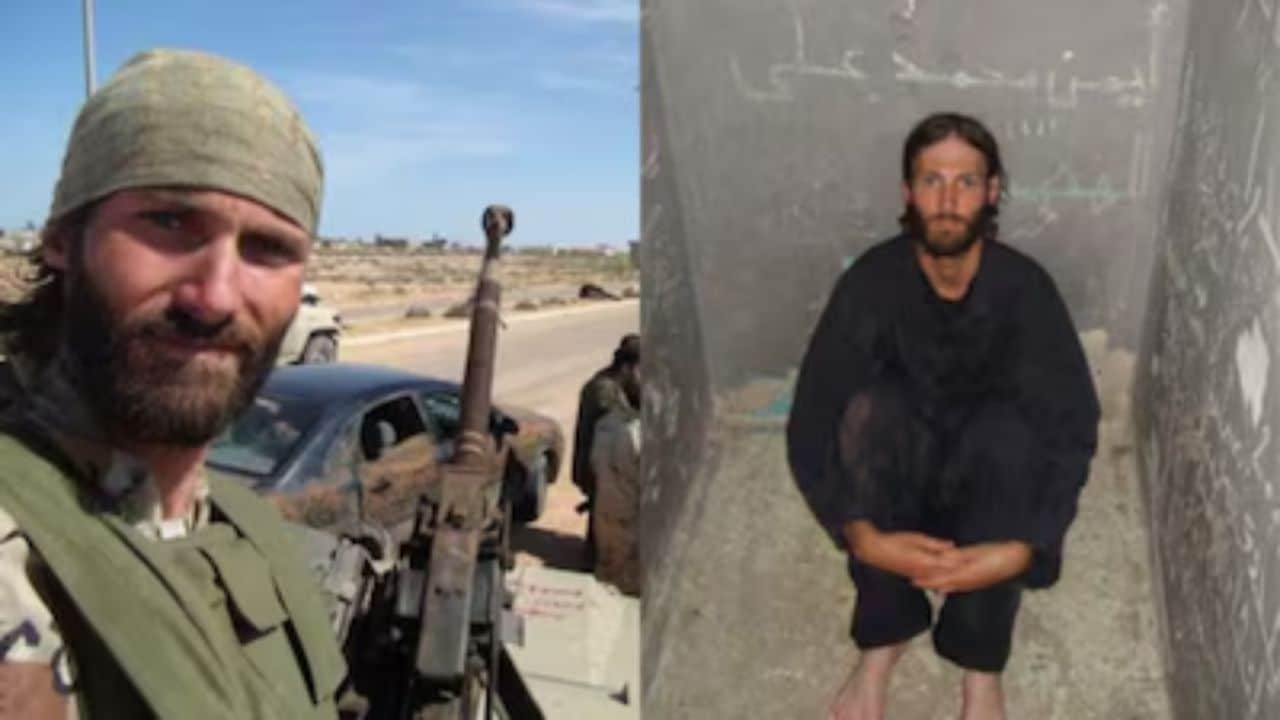
The arrest of Matthew VanDyke and six Ukrainians at Indian airports isn't a "security breach" or a simple story of "anti-India" insurgency. It is the funeral of the romanticized Western mercenary.
For a decade, VanDyke has been the poster child for the "Sons of Liberty"—the guy who turns YouTube fame into a paramilitary career, hopping from the Libyan revolution to the Syrian front lines, and eventually into the meat grinder of Ukraine. But his capture by the National Investigation Agency (NIA) in Kolkata, while his Ukrainian cohorts were bagged in Delhi and Lucknow, reveals a truth that the mainstream media is too terrified to touch: the era of the freelance revolutionary is dead. Also making news recently: Finland Is Not Keeping Calm And The West Is Misreading The Silence.
The NIA isn't just arresting men; they are dismantling a delusional Western export.
The Amateur Hour of "Regime Change"
The lazy consensus from the initial reports is that these men were "insurgents" plotting against India. That is a fundamental misunderstanding of the modern geopolitical ego. Men like VanDyke don't care about the internal politics of Mizoram or the nuances of the Myanmar border. They care about the brand of being a liberator. Additional information into this topic are covered by NBC News.
I have watched these "advisors" operate in conflict zones for years. They treat sovereign borders like suggestions and local ethnic conflicts like a level in a video game. The NIA’s allegation that they entered Mizoram to train groups in weapons handling and drone warfare isn't a sign of a grand conspiracy; it’s a sign of a massive, arrogant oversight.
VanDyke’s social media—the very thing that built his career—became his handcuffs. You don’t announce "we are coming for you" to world leaders on Spotify and Starlink while trying to slip through an Indian airport. This isn't James Bond; it’s a mid-life crisis with a tactical vest.
The Drone Warfare Delusion
The "superior" take that the NIA is subtly signaling is that the technology of war has outpaced the intelligence of the warrior.
The Ukrainians arrested weren't just random soldiers; they were part of the first generation to master the "cheap tech" war. FPV (First Person View) drones and Starlink-integrated communications have democratized destruction. But here is the nuance: bringing that tech into the Northeast of India isn't just "training." It is an act of technological colonization.
When a Westerner or a European enters a complex ethnic conflict like the one between Myanmar's resistance and the military junta, they bring a specific, lethal bias. They assume that because they have used a drone against a Russian tank, they understand the ethno-political quagmire of the India-Myanmar border. They don’t. They are pouring gasoline on a forest fire they can’t even locate on a map without GPS.
Why the NIA is Right to be Brutal
Usually, Western analysts cry "human rights" the moment a U.S. citizen is detained in the East. Not this time.
The NIA is playing a much larger game than just border security. By nabbing these individuals at major transit hubs—Kolkata, Delhi, Lucknow—India is sending a clear message to the "Sons of Liberty" of the world: The Global South is not your playground.
The mainstream narrative focuses on the illegality of their entry. The real story is the rejection of the "Private Volunteer" model. In Ukraine, these guys are heroes because they serve a specific Western narrative. In India, they are a liability. They are "unregulated combatants" who lack the discipline of a state military and the accountability of a diplomat.
- Fact Check: VanDyke’s organization, SOLI, claims to be a 501(c)(3) non-profit.
- The Reality: Training foreign militias in drone warfare is not "charity." It is a violation of the Arms Export Control Act in the U.S. and a direct threat to Indian national security.
The Myth of the "Indispensable" Advisor
The "People Also Ask" crowd wants to know: Is Matthew VanDyke a CIA asset? Stop. That is the wrong question. If he were an asset, he wouldn't be sitting in a cell in Kolkata after getting caught at a commercial airport terminal. The terrifying truth is that he is exactly what he says he is: an independent actor.
Modern warfare has created a class of "conflict tourists" who believe that because they have survived a prison in Libya, they are qualified to influence the geopolitical architecture of Asia. India’s crackdown proves that the "freelance freedom fighter" is actually a destabilizing element that professional intelligence agencies can no longer tolerate.
I’ve seen this before. A Westerner shows up with a Pelican case full of drones and a heart full of "democracy," and six months later, the local civilian population is paying the price for the blowback. The NIA isn't "overreacting." They are performing a necessary amputation.
The Digital Footprint Trap
The competitor article mentions "digital footprints." Let's translate that from PR-speak to reality.
VanDyke was using Starlink. He was posting on social media about "covert operations." In the 1980s, mercenaries stayed in the shadows. Today, they seek "clout." This thirst for digital relevance is why they were caught. You cannot run a "covert" operation when your business model depends on being a public figure.
The NIA didn't need a mole; they needed an internet connection. This arrest marks the definitive end of the "influencer-mercenary" era. If you are documenting your "regime change" ambitions for a podcast audience, you aren't a threat to a regime—you are a gift to its counter-terrorism unit.
The New Rules of the Game
If you think this is just about seven guys in a court in Patiala House, you are missing the forest for the trees. This is about the "Ukraine Effect."
Because the world watched foreign volunteers flock to Kyiv, every armchair commando now thinks they can start their own "special op" in any corner of the world. India is the first major power to look at this trend and say: "No."
They are treating these "advisors" as common criminals because, without state sanction, that is exactly what they are. The Ukrainians involved—Hurba Petro, Slyviak Taras, and the rest—are likely battle-hardened and technically proficient. But their technical skill doesn't grant them sovereign immunity.
The status quo says we should wait for the diplomatic process. I say the diplomatic process is a sham. The U.S. Embassy is "aware of the situation" but silent. Why? Because even Washington knows that VanDyke is a PR nightmare they can't afford to defend.
India didn't just arrest a group of men. They killed the fantasy that a Westerner with a camera and a drone can change the world without consequences.
Would you like me to analyze the specific drone technologies these groups are allegedly introducing to the Myanmar border?