The waiting room in a public dental clinic has a specific, heavy silence. It isn’t the sterile quiet of a luxury spa. It is the sound of suppressed anxiety, the rhythmic tapping of a worn-out sneaker against linoleum, and the occasional, sharp whimper of a child who doesn't yet understand why their mouth feels like it’s on fire.
Consider Leo. He is seven years old. He likes Minecraft and hates peas. He lives in a ZIP code where the local government recently decided that adding fluoride to the water was an "unnecessary chemical intervention." To the people in the town hall, it was a debate about liberty and pure aesthetics. To Leo, it is a Tuesday morning spent gripped by a pain so white-hot it makes him forget his own name.
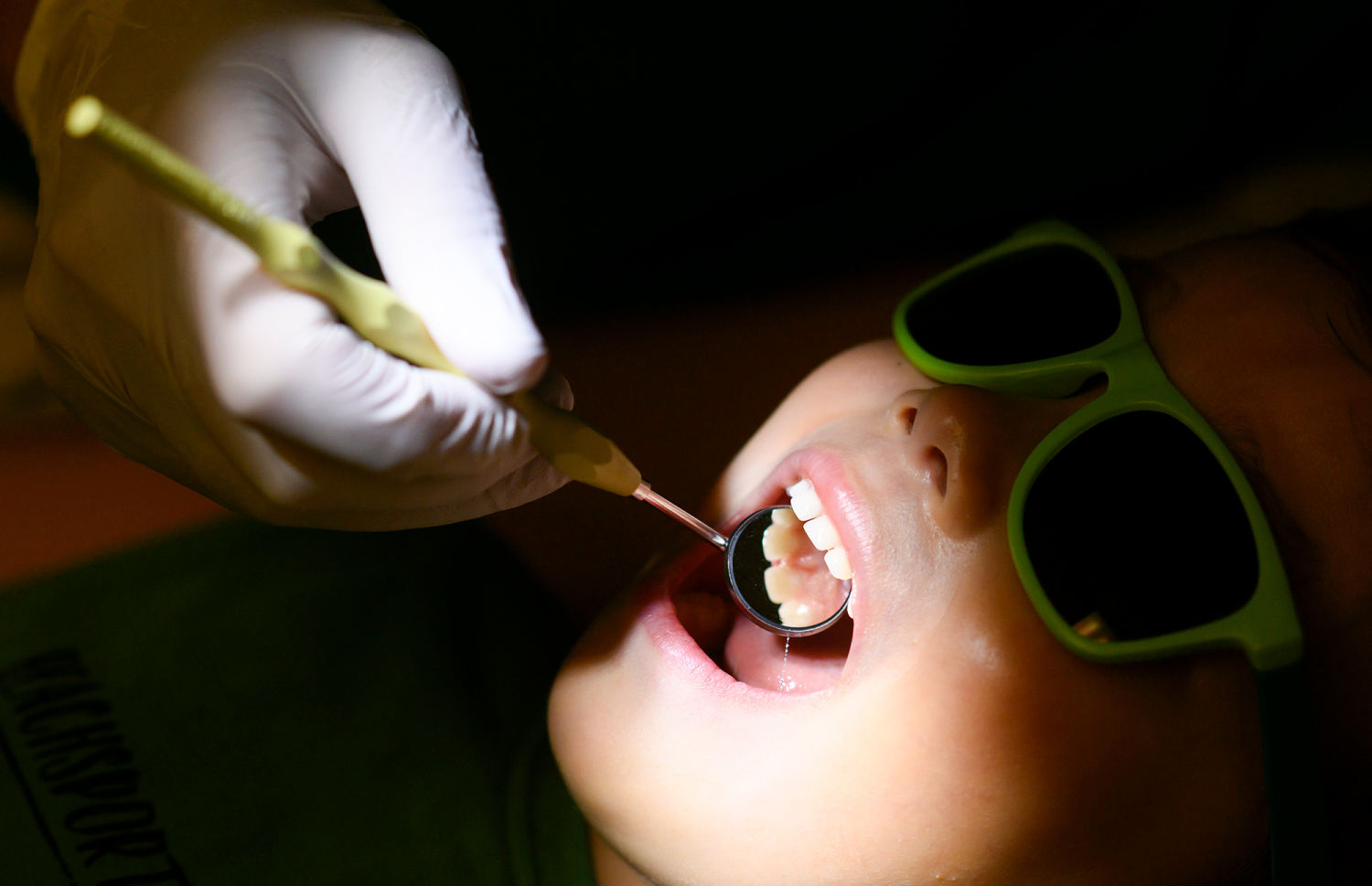
When his dentist, Dr. Aris, finally looks inside, she doesn't just see a cavity. She sees a structural failure. The enamel—the hardest substance in the human body—is crumbling like wet chalk. This isn't just about a sugary diet. It is about the removal of a microscopic bodyguard that has been standing watch over public health for nearly eighty years.
The Chemistry of a Quiet Miracle
Fluoride isn't some mystical elixir. It is a mineral found naturally in soil and water, but rarely at the precise levels needed to harden human teeth. Think of your tooth enamel as a crystalline fortress. Every time you eat, acids produced by bacteria begin to chip away at the walls. This is demineralization. In a world with fluoridated water, the mineral steps in to patch the holes, creating a new surface called fluorapatite.
Fluorapatite is tougher than the original equipment. It resists acid better. It stays in the fight longer.
When a community votes to stop this process, they aren't just changing the water chemistry. They are effectively stripping the armor off every child in the district. For families with private insurance and the means to buy high-end toothpaste or professional varnish treatments, the impact is a ripple. For families like Leo’s, who rely on the tap for everything, it is a tidal wave.
The Mathematics of a Rotting Safety Net
The debate often centers on "choice," but the data suggests that the choice to remove fluoride comes with a massive, hidden invoice. A recent study examining the fallout of fluoride bans paints a bleak financial picture. When the protective barrier is gone, the number of cavities in children doesn't just tick upward. It explodes.
The math is brutal. It costs about $1 per person, per year, to fluoridate a community’s water. In contrast, the cost of treating a single severe cavity in a child—often requiring sedation or an operating room for the most vulnerable patients—can soar into the thousands.
Who pays that bill?
In many cases, it is the taxpayer through Medicaid. We are witnessing a strange, self-inflicted wound where states save pennies on water treatment only to spend millions on emergency dental surgeries. It is like removing the brakes from a fleet of buses to save on maintenance costs, then wondering why the insurance premiums for accidents are suddenly bankrupting the city.
The Great Divide
The pain is not distributed equally. This is the uncomfortable truth lurking behind the "pure water" posters.
If you are wealthy, a fluoride ban is an inconvenience. You buy the supplements. You go to the dentist twice a year. You have the "dental IQ" and the resources to compensate. But if you are a single mother working two jobs, or a family living in a rural pocket where the nearest dentist is forty miles away, the tap water is your primary health care provider.
When the fluoride disappears, the health gap widens until it is a canyon. We see it in the school attendance records first. A child with a toothache cannot focus on long division. They cannot sleep. They become irritable, withdrawn, and eventually, they stop showing up. A toothache is a quiet thief of potential.
I remember talking to a school nurse in a district that had recently cut fluoride. She told me she could track the policy change just by looking at the "sick" bin in her office—the number of kids asking for ibuprofen increased three-fold within two years. "It’s heartbreaking," she said. "You’re watching their smiles literally disappear before they hit middle school."
The Psychology of the Invisible
Why do we fight over this?
Part of the problem is that public health is a victim of its own success. When fluoride works, nothing happens. No one wakes up and thanks the water department because they didn't get a cavity today. We don't celebrate the absence of pain.
Because the benefit is invisible, it is easy to frame the mineral as a villain. We have become suspicious of things we cannot see or pronounce. We trade the proven safety of decades of peer-reviewed science for the visceral, emotional appeal of "naturalism." But there is nothing natural about a six-year-old needing a bridge because their baby teeth rotted to the gum line.
The stakes are higher than just a few fillings. When we talk about Medicaid costs soaring, we are talking about resources being diverted from other essential services. We are talking about longer wait times for specialized care. We are talking about a system stretched to its breaking point because we walked away from a simple, foundational preventative measure.
The Ghost in the Machine
The tragedy of the fluoride debate is that it treats a biological necessity as a political luxury. We argue about "freedom" while children in low-income housing units develop abscesses that can lead to systemic infections. In rare, horrific cases, untreated dental infections have even led to brain abscesses and death.
This isn't hyperbole. It is the reality of what happens when the "invisible shield" is lowered.
The human body is a resilient thing, but it has its limits. Our teeth were not designed to withstand the modern barrage of processed sugars without help. Fluoride was the great equalizer. It was the one thing that ensured a kid in a trailer park had the same basic dental protection as a kid in a penthouse.
Removing it isn't an act of liberation. It is an act of abandonment.
Dr. Aris finishes the work on Leo’s mouth. He is groggy from the local anesthetic, his cheek drooping, his eyes red from crying. He will be fine for today, but there are four more "spots" the dentist is watching. In six months, he will likely be back.
As his mother leads him out to the car, she counts the bills in her purse. She is worried about the rent. She is worried about the car's transmission. She isn't thinking about the chemical composition of the city’s reservoir. She shouldn't have to.
The water is supposed to be the one thing she doesn't have to worry about.
Behind her, the dental clinic door swings shut, the bell chiming a lonely note. Inside, the waiting room is already filling up again. Another child, another tapping sneaker, another preventable disaster. We have the tools to stop this. We have the science to prove it works. We have the receipts showing it saves us all money.
Yet, we stand by and watch the shield crumble, one town hall meeting at a time, leaving the most vulnerable to face the bite of the world with nothing but their bare, softening teeth.