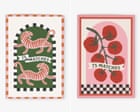
The internet is currently having a collective meltdown over a £235 matchbox. The usual suspects are out in force, clutching their pearls and screaming about the "death of common sense" or "late-stage capitalism." They see a gold-plated or high-end leather-wrapped sleeve for a five-cent commodity and call it a scam. They are wrong.
They aren't just wrong about the price; they are wrong about the fundamental psychology of value.
When you see a designer brand take a mundane object—a matchbox, a paperclip, a trash bag—and slap a three-figure price tag on it, your first instinct is to mock the buyer. You think they’ve been conned. You think they have "money to burn." In reality, the person buying the £235 matchbox is often making a more rational utility calculation than the person buying a 50p plastic lighter every three weeks.
The "outrage economy" ignores the shift from disposable junk to the permanent artifact. We need to stop talking about "overpriced" goods and start talking about the cost of the ephemeral.
The Tyranny of the Disposable
We have been conditioned to accept a world of "good enough." This is the race to the bottom. We buy a plastic lighter, it runs out of fluid or the flint cracks, and we toss it into a landfill. It’s cheap, it’s ugly, and it’s temporary.
The £235 matchbox isn't selling you a way to start a fire. It is selling you an end to the cycle of replacement. It is a permanent fixture. In the world of high-end design, this is known as "intentional permanence." When an object is expensive enough to be cared for, it ceases to be trash.
I have spent two decades watching consumer patterns shift. I’ve seen people spend $5,000 on a sofa that falls apart in three years because they thought they were being "sensible" by avoiding the $12,000 heirloom version. They end up spending $15,000 over a decade. The math of the "cheap" option rarely adds up.
Why the Outrage is Actually Classist
The loudest critics of luxury "trinkets" often claim they are defending the working class from predatory marketing. Look closer. The subtext is actually incredibly condescending. It assumes that anyone without a massive net worth is too stupid to understand value, and anyone with a massive net worth is too stupid to manage their money.
Luxury isn't about the function; it’s about the friction.
A standard matchbox is designed to be ignored. It is tactilely offensive—cheap cardboard, gritty strike strips, flimsy wood. A weighted, silver-plated matchbox cover changes the sensory experience of a room. It adds weight. It adds resistance. It demands that you pay attention to the act of lighting a candle or a cigar.
If you think paying for "sensory experience" is a waste of money, then you should also stop eating seasoned food, stop listening to high-fidelity audio, and start wearing burlap sacks. After all, a $200 steak provides the same calories as a $2 burger. If you justify the steak but mock the matchbox, you’re a hypocrite.
The Veblen Effect and the Error of Utility
Standard economics teaches us that as price rises, demand falls. But "Veblen goods" flip the script. For these items, the high price is the utility.
Most critics argue that a matchbox should cost 50p because that is the cost of the materials. This is the "Labor Theory of Value" fallacy, and it’s been dead since the 19th century. Value is subjective. It is determined by what someone is willing to pay, not what it cost to manufacture.
When a brand like Hermès or Tiffany creates a "mundane" object, they are doing three things:
- Signal Strength: They are marking a territory.
- Material Mastery: They are using grades of metal or leather that standard manufacturers won't touch.
- Irony as Currency: There is a specific, high-level social flex in owning a luxury version of something that is traditionally worthless.
Imagine a scenario where a billionaire buys a $1,000 gold paperclip. They aren't doing it because they think the gold holds the paper better. They are doing it because it’s a physical manifestation of their ability to ignore the "market price" of utility. It is a power move. You might hate it, but calling it "stupid" misses the point entirely. It is highly efficient communication.
The Durability of Aesthetic Capital
We are living through a crisis of the "beige middle." Most products today are designed by committees to be as inoffensive and cheaply reproducible as possible. This has led to a massive spike in the value of "Aesthetic Capital."
The £235 matchbox is a hedge against the ugly.
I’ve consulted for luxury firms where we analyzed the "touch-points" of a home. If you have a $10 million apartment filled with curated art and bespoke furniture, a 50p box of matches from the gas station is a visual pollutant. It breaks the immersion. In this context, spending £235 to fix a visual "glitch" in your environment is actually a bargain. It’s a low-cost way to maintain the integrity of a high-cost environment.
The Hidden Cost of "Reasonable" Prices
People love to ask "Who would pay for this?" as if the answer is "no one." But these items sell out. Every time.
The real question is: Why are you so comfortable with the alternative?
The alternative is the mass-produced, soul-crushing output of factories that prioritize volume over everything. When you buy the "humble" matchbox, you are supporting a supply chain built on thin margins and disposable labor. When you buy the artisanal, wildly expensive version, you are often supporting small-scale silversmiths, leatherworkers, and specialized craftsmen who refuse to compromise.
The "madness" of the £235 price tag is actually a return to a pre-industrial mindset where objects were meant to last a lifetime and be passed down. Your grandfather had a heavy brass lighter or a silver match-safe. You have a pile of plastic garbage in your junk drawer. Who is the one being conned?
Stop Asking the Wrong Question
The media loves to frame this as "The Wealthy vs. Reality." It’s a boring, tired narrative.
The real tension isn't between rich and poor; it's between the permanent and the disposable. If we want to move toward a world that consumes less, we have to start valuing things more. And the quickest way to make someone value an object is to make it expensive.
High prices command respect. They demand maintenance. They ensure that an item stays out of the ocean and on the mantle.
If you're still angry about the matchbox, it’s not because the price is high. It’s because you’ve been trained to believe that your environment doesn't matter. You’ve been sold the lie that beauty is "extra" and utility is all that exists.
The £235 matchbox isn't a sign of a broken society. Your willingness to accept ugly, breaking, disposable junk as the "sane" choice is the real tragedy.
Buy it or don't. But stop pretending your 50p box of matches is a moral victory. It’s just more trash in waiting.