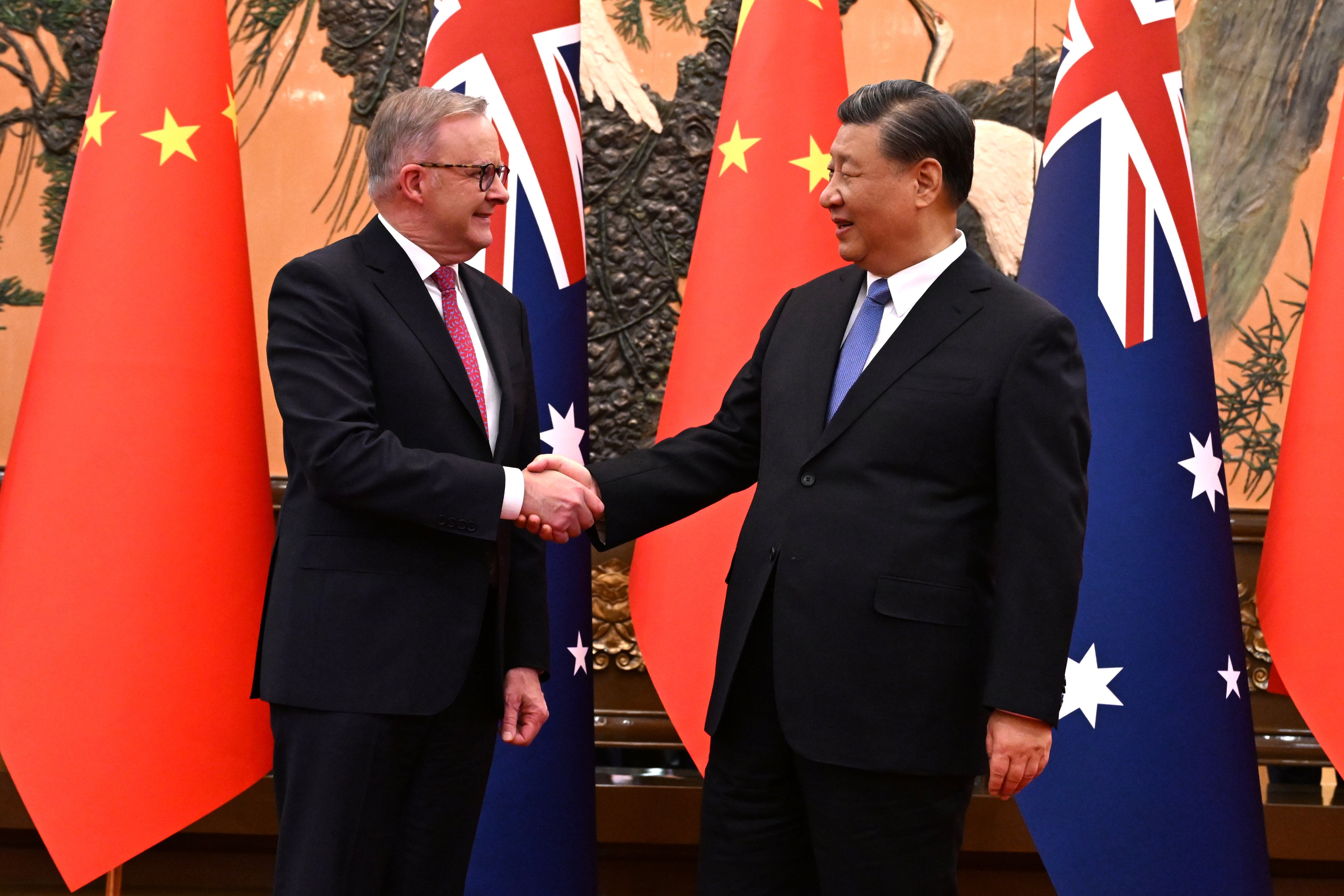
The two-week ceasefire between Washington and Tehran is not a diplomatic breakthrough; it is a desperate tactical pause for two combatants who have punched each other into a corner. After six weeks of high-intensity conflict that began on February 28, 2026, the primary objective of this hiatus is to stop a global energy collapse while the Trump administration and the new Iranian leadership under Mojtaba Khamenei determine if they can coexist without total mutual destruction. At the center of the deadlock is a fundamental clash over the Strait of Hormuz and the remnants of Iran’s nuclear infrastructure.
While the public narrative focuses on "peace talks" in Islamabad, the reality is a cold calculation of leverage. The United States demands an unconditional reopening of the Strait of Hormuz and the total surrender of all 60% enriched uranium. Tehran, reeling from the assassination of senior leadership and massive infrastructure damage, has countered with a demand for war reparations and a guaranteed end to the "regime change from the skies" policy. These positions are currently irreconcilable.
The Hormuz Toll Booth
The most immediate friction point is not nuclear; it is liquid. Since the conflict began, Iran has effectively turned the Strait of Hormuz into a private lake. For the first time in history, the Islamic Revolutionary Guard Corps (IRGC) has attempted to enforce a toll system, reportedly demanding payment in Chinese yuan for any tanker passage. This isn't just a military maneuver. It is a direct assault on the petrodollar.
Washington views the reopening of the strait as a non-negotiable prerequisite for any long-term halt in hostilities. However, Tehran views the blockade as its only remaining shield against the overwhelming air superiority of the U.S. and Israel. If the IRGC yields the strait, they lose their only mechanism to inflict pain on the global economy. Without that leverage, they fear the "Operation Epic Fury" strikes will simply resume once the two-week clock runs out.
The Nuclear Ghost
The 2025 "Midnight Hammer" strikes and the subsequent 2026 campaign have physically dismantled much of the Natanz and Fordow facilities. Yet, the International Atomic Energy Agency (IAEA) reports that the "nuclear ghost" remains. Iran’s knowledge cannot be bombed away. The current sticking point involves the "surrender" of highly enriched stockpiles.
- The U.S. Position: All material enriched beyond 5% must be shipped out of the country, likely to Russia or a third-party site under permanent seal.
- The Iranian Position: They demand "nuclear rights" as a sovereign nation, insisting on maintaining a civilian enrichment capability as a baseline for any deal.
This is a classic zero-sum game. The Trump administration has staked its credibility on the "permanent end" to the Iranian nuclear threat. Tehran views giving up the stockpile as a death warrant, believing that a nation without a "breakout capacity" is a nation destined for the same fate as Libya’s Muammar Gaddafi.
The Legitimacy Crisis in Tehran
Inside Iran, the war has created a paradoxical political climate. The assassination of Ali Khamenei on the first day of the conflict initially sparked chaos, but the quick elevation of his son, Mojtaba Khamenei, has consolidated the hardliners. They are currently balancing on a knife’s edge. On one side, the Iranian economy is in shambles, with $145 billion in direct damage and a population exhausted by years of sanctions and internal crackdowns. On the other, the government cannot appear to "cry uncle" to a President who has publicly called for their total capitulation.
The Iranian delegation in Islamabad is operating under strict orders: no face-to-face meetings with American officials. Every proposal is funneled through Pakistani or Omani intermediaries. This ritualized distancing makes rapid-fire negotiation impossible. It also allows Tehran to maintain the domestic fiction that they are not "negotiating under pressure," even as U.S. missile launchers sit on high alert at Al Udeid airbase.
Regional Proxies and the "Hezbollah Factor"
A secondary but lethal complication is the status of regional proxies. Israel has made it clear that while it may respect a pause on Iranian soil, its operations against Hezbollah in Lebanon are exempted. This creates an unsustainable dynamic. If Israel continues to degrade Hezbollah, Iran feels compelled to respond via its remaining missile units to maintain its "axis of resistance" credibility.
The U.S. 15-point plan reportedly includes a demand for the total cessation of funding for the Popular Mobilization Forces (PMF) in Iraq and the Houthis in Yemen. For Tehran, this is a demand for geopolitical suicide. These groups are the forward-deployed defense of the Iranian state. Dismantling them would leave the central government in Tehran completely isolated.
The Cost of the Deadlock
The financial stakes have reached a breaking point for both sides. The Pentagon is burning through billions of dollars a week in munitions and deployment costs. Global oil prices have spiked, threatening to undo the domestic economic gains the Trump administration has promised its voters.
If the Islamabad talks fail, the next phase of the conflict will likely shift from military targets to energy infrastructure. The U.S. has already threatened to strike Iranian oil refineries and power grids if the strait isn't fully operational by the end of the month. Iran has countered by threatening to "burn the region," implying sabotage of Arab Gulf oil facilities.
This ceasefire is not the beginning of the end. It is a frantic attempt to reload the weapons and check the ledgers. Unless one side is willing to accept a massive loss of face, the pause is merely a countdown to a much larger conflagration. The diplomatic window is closing, and the view outside is nothing but fire.