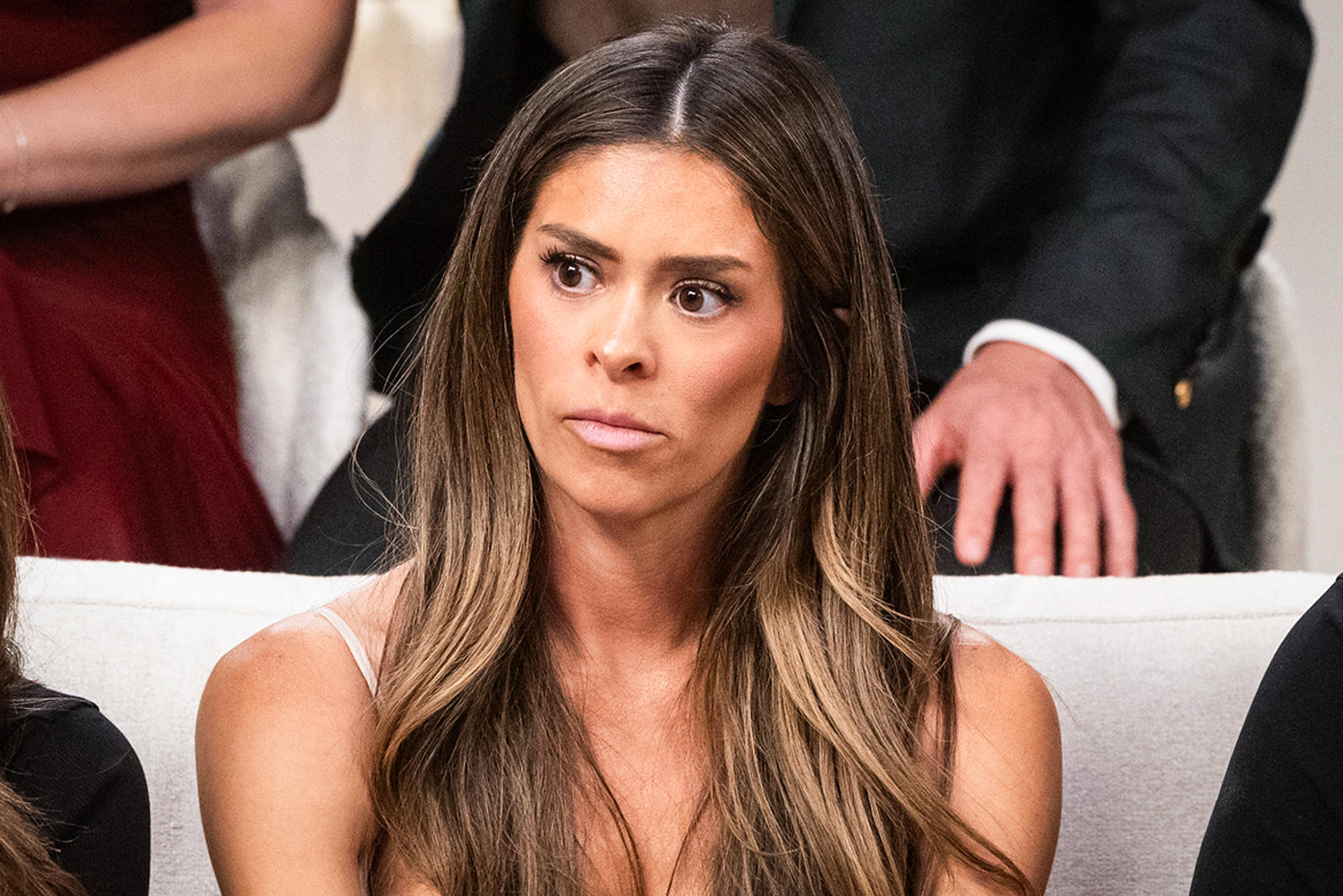
ABC has officially scrubbed what would have been the most controversial season of The Bachelorette in the franchise’s history. The network’s decision to pull Taylor Frankie Paul’s season mid-production follows a wave of legal scrutiny and mounting public pressure surrounding the TikTok star's domestic violence charges. While the network initially bet on Paul’s massive social media following to resuscitate its flagging ratings, the reality of her legal baggage proved too heavy even for a production team known for leaning into drama.
The move marks a rare moment of corporate sobriety for Disney-owned ABC. It signals a shift in how legacy media handles the volatile "Momtok" ecosystem. For weeks, the production remained in a state of flux as executives weighed the potential for viral viewership against the certain backlash of featuring a lead with a pending criminal record involving family violence. In the end, the risk of alienating blue-chip advertisers outweighed the promise of a record-breaking premiere.
The High Cost of the Influencer Pivot
For years, The Bachelor franchise has struggled with a fundamental identity crisis. The "journey for love" narrative has grown stale, and the younger demographics have moved their attention to the unscripted chaos of Netflix and social media. Casting Taylor Frankie Paul was supposed to be the solution. By bringing in a woman who single-handedly pioneered the "soft-swinging" scandal of 2022, ABC wasn't just casting a lead; they were attempting to acquire her millions of followers.
This was a business transaction that ignored the red flags of Paul’s recent history. In early 2023, Paul was arrested following a domestic dispute that reportedly involved her children being present. She eventually pleaded guilty to aggravated assault. Despite this, production sources indicate that the network felt they could "contextualize" her past within a redemption arc.
They were wrong.
The internal fallout at ABC reveals a growing rift between casting directors who want "engagement at any cost" and the legal departments tasked with protecting the brand's image. When a lead has a history of violence, the standard liability insurance for a television set becomes a nightmare. Producers found themselves in a corner where they could neither ignore the elephant in the room nor address it without appearing to exploit a sensitive domestic situation for entertainment value.
Why Background Checks Are Failing Reality TV
The collapse of this season exposes a systemic failure in how reality television vetts its stars. In the past, a simple criminal record check and a few interviews with ex-partners sufficed. Now, the sheer volume of digital content an influencer produces creates a false sense of intimacy and "knowing" the candidate.
Producers often fall into the trap of believing that because a person is transparent on TikTok, they are being honest about their stability. Paul’s brand was built on "messy" authenticity, which the network mistook for being "camera-ready." There is a massive difference between a creator who manages their own narrative on a phone and a lead who must withstand the grueling, 24-hour surveillance of a network television set.
The Liability of the Modern Lead
When the news of the domestic violence allegations resurfaced with fresh details during the early stages of filming, the atmosphere on set shifted from excitement to damage control. The production team realized that every romantic interaction Paul had on screen would be viewed through the lens of her legal history.
- Advertiser Anxiety: Major brands have strict "morality clauses" in their placement agreements.
- The Contestant Factor: Several men cast for the season reportedly expressed concern regarding the allegations, creating a hostile environment before the first rose was even handed out.
- Legal Precedent: Networks are increasingly wary of being held responsible for the actions of their leads if a pattern of behavior has already been established and documented in court.
The Mormon Influencer Bubble Bursts
Taylor Frankie Paul is a product of the Utah influencer subculture—a world where perfection is the currency and scandal is the only way to stay relevant once the perfection fades. ABC’s interest in this world was understandable. The "Momtok" community drives massive traffic, and their lives are essentially a perpetual audition for a reality show.
However, the network failed to account for the intensity of the "anti-fan" community. Unlike traditional celebrities, influencers have dedicated groups of detractors who track their every legal filing and social media slip-up. These groups were instrumental in keeping Paul’s legal issues in the headlines, making it impossible for ABC to sweep the details under the rug. This organized scrutiny is a force that network PR departments are still learning how to combat.
The Production Void and the Future of the Franchise
By pulling the season, ABC has left a massive hole in its summer programming schedule. This isn't just a loss of content; it's a loss of millions of dollars in pre-production costs, location scouting, and talent fees. The financial hit is significant, but the reputational hit is worse. It suggests that the flagship franchise is so desperate for relevance that it is willing to overlook serious criminal allegations until the public outcry becomes deafening.
The network is now scrambling to find a "safe" replacement, likely returning to the pool of previous contestants who have been vetted to the point of boredom. This retreat to safety is the very thing that was killing the show’s ratings in the first place. It creates a cycle where the show needs controversy to survive but cannot handle the reality of what that controversy looks like in a post-social media world.
The Hidden Cost of Redemption Arcs
Television loves a comeback story. The industry is built on the idea that anyone can be forgiven if they are charismatic enough and the lighting is right. But domestic violence is not a "lifestyle mistake" that can be polished with a montage and some soft-focus b-roll.
By even attempting to cast Paul, ABC signaled that they viewed her legal troubles as a plot point rather than a serious societal issue. The cancellation of the season isn't an act of moral superiority; it's an act of survival. If the public hadn't pushed back, the cameras would still be rolling. This situation proves that while reality TV thrives on conflict, there are certain boundaries that the audience—and the legal system—will no longer allow the industry to cross for the sake of a few more points in the Nielsen ratings.
Moving forward, the industry must decide if it wants to be a platform for genuine human connection or a sanctuary for creators who view their own trauma as a commodity. If ABC continues to chase TikTok trends, they will continue to find themselves blindsided by the very "messiness" they claim to want.
Check the court records of your next lead before you book the flight to the mansion.